Can You
Get Rid of Milia?
Unlike whiteheads or acne, milia aren't caused by sebum-clogged pores or bacteria but by trapped Keratin and dead skin cells under your skin.
What Causes
Milia?

Milia grains form when dead skin cells become trapped beneath your skin's surface and harden into small cysts. Several factors can contribute to their development, including:
- Skin trauma from injury, cosmetic procedures, or sun damage
- Prolonged use of topical corticosteroids
- Genetic or autoimmune conditions
- Increased prevalence in infants, children, and older women
While these are common causes, the exact reason why some people develop milia while others do not still isn't completely clear.
Can Milia Disappear
on Their Own?
This process can take some time, but you can support it with a proper skincare routine, including gentle exfoliants.
If your milia don't go away and keep coming back, you might need professional help. Dermatologists can use specific treatments or procedures to remove stubborn milia safely for you.
Milia Treatment
and Removal:

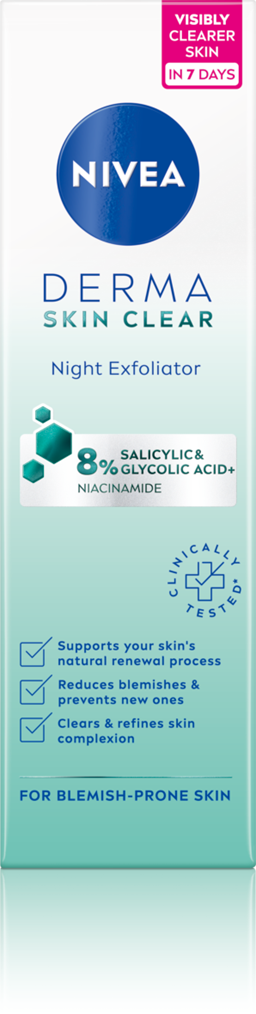
However, certain exfoliating ingredients may help your skin naturally get rid of milium grains:
Salicylic Acid helps loosen and remove dead skin cells, promoting natural skin cell renewal.
Glycolic Acid is a small alpha-hydroxy acid, which means it is easily absorbed. It helps eliminate dead surface skin cells and speeds up cell renewal.
Never try to remove milia grains by squeezing your skin. It's not possible to get them out this way, as they're trapped under the skin. Squeezing them can damage your skin and lead to several risks:
- Infection:Breaking your skin's surface can introduce bacteria, leading to infections that may need medical treatment.
- Scarring:Squeezing can traumatise your skin, causing scars that may be difficult to treat and can actually make the area look worse.
Skincare for
Skin Prone to Milia

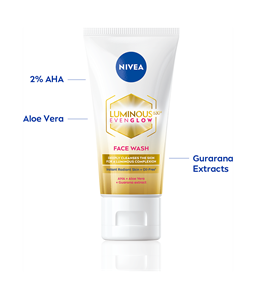
Using a gentle cleanser helps remove impurities and dead skin cells while keeping your skin balanced and hydrated. A mild cleanser is key to maintaining healthy skin without causing irritation or stripping away your skin's natural oils.
Explore NIVEA's range of gentle cleansers, formulated to cleanse effectively while caring for your skin's needs.
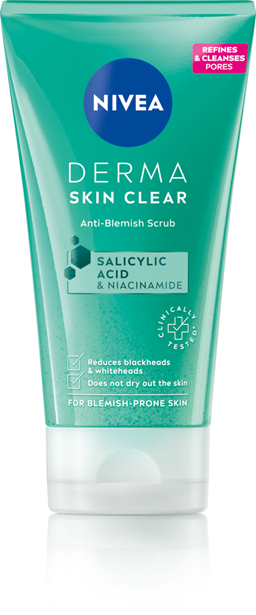
Exfoliating once or twice a week can support your skin's natural renewal process by removing dead skin cells. However, over-exfoliating or using very harsh products can irritate your skin, so it's important to be gentle. While exfoliation can help keep your skin smooth, it will not remove milia directly.
Discover NIVEA Gentle Exfoliating Scrub, which exfoliates softly, helping maintain smooth skin while preserving its moisture balance.
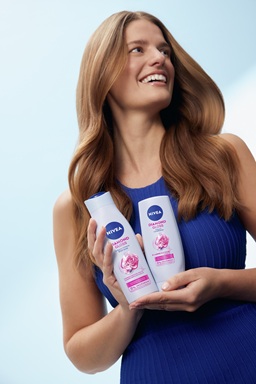
NIVEA's moisturisers can help give you long-lasting hydration to support your skin's natural defences.
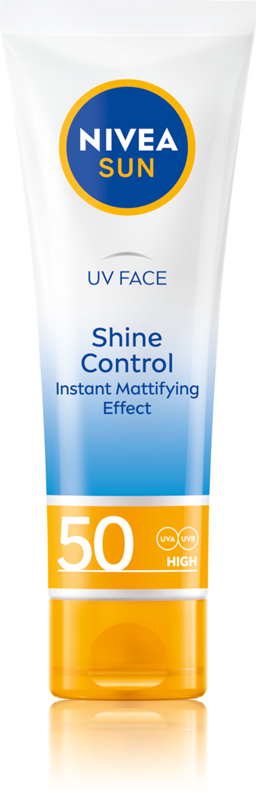
Daily sun protection is an essential part of any skincare routine, as it helps shield your skin from harmful UV rays. Sun exposure can weaken your skin and cause premature ageing, so using a broad-spectrum sunscreen every day is really important.
Try NIVEA Face Sunscreens, which provide high-level sun protection to help protect your skin from UV damage.
Milia
Formation: Milia are small, white or yellowish bumps caused by trapped Keratin and dead skin cells beneath your skin's surface.
Causes: They can form due to factors like sun damage, the use of certain drugs or genetic causes, but they shouldn't be confused with comedones or acne pimples, which are related to pore blockage or bacteria.
Prevention: Regular gentle exfoliation, proper hygiene and daily sun protection could help prevent milia in some cases.
Treatment: Milia can resolve naturally, but stubborn cases may need professional removal. Avoid squeezing to prevent infection and scarring.