How to get rid of blemishes on your face:
the causes, treatments, and how you can prevent them
What is a
sudden breakout?
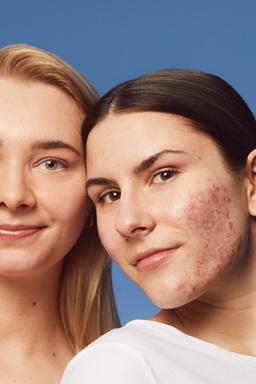
A breakout means the sudden appearance of many pimples, blackheads, whiteheads or other blemishes on your skin. These breakouts usually happen when hair follicles get clogged with excess sebum, dead skin cells and bacteria, which leads to inflammation and different types of acne. Sudden breakouts can affect people of all ages and are most often seen on the face, neck, chest and back. Different factors, such as hormonal fluctuations, genetics, diet and your daily skincare habits, can all play a role in causing a sudden breakout on your face.

The 5 most common types of breakouts:
- Acne vulgaris:
Acne vulgaris is probably the most common type of breakout. It includes blackheads, whiteheads, pustules and cysts and is often caused by excessive sebum production, clogged pores and bacterial inflammation.
- Hormonal sudden breakouts:
Hormonal fluctuations, especially during puberty, menstruation, pregnancy or menopause, can lead to hormonal acne. This acne usually shows up as deep, painful cysts along your jawline and chin.
- Comedonal acne:
This type of acne is marked by non-inflammatory blemishes like blackheads and whiteheads. You usually see it in people with oily skin, and it appears when hair follicles get clogged.
- Cystic acne:
Cystic acne is a severe form of acne with large, painful, inflamed cysts that sit deep under the skin’s surface. If it’s not treated properly, it can lead to scarring.
- Rosacea:
Rosacea is a chronic skin condition that causes facial redness, visible blood vessels and sometimes pimples. It often affects people with fair skin and can get worse over time if it isn’t treated.
It’s really important to understand which type of acne or pimple breakouts you’re dealing with so that you can choose the right treatment, because different types of breakouts may need different management and prevention strategies. If you feel you’re suffering from severe acne, cystic acne or rosacea, it’s strongly recommended that you consult a dermatologist, who can help you decide on the most suitable action plan for your specific skin concern.
4 common areas for
sudden breakouts:
Acne and pimple breakouts can show up on different parts of your body, but some areas get affected more often than others. Here are a few common places where breakouts tend to appear:
- The face:
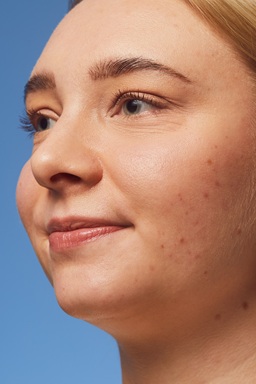
Your face is one of the areas most often affected by the sudden appearance of many pimples. These facial breakouts can include acne pimples, blackheads, whiteheads and occasional spots. Facial breakouts can feel especially upsetting because they’re so visible. The cheeks and forehead are usually the areas where blemishes stand out the most.
- The back:
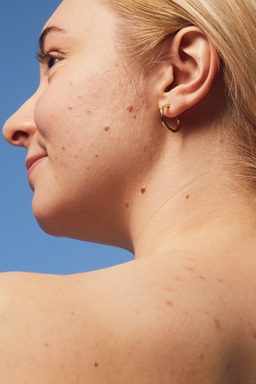
Back acne breakouts, often called “bacne”, are very common because there are a lot of sebaceous glands in this area. Sweating and friction from your clothes can also add to the chance of getting breakouts on your back.
- The chest:
Your chest is another area where breakouts are quite common. Tight clothing, sweating and friction can all contribute to acne developing on your chest.
- The chin and jawline:
Sudden breakouts on your chin and jawline are often linked to hormonal ups and downs, for example during menstruation or pregnancy. These breakouts can include cysts and painful pimples.
Common causes
of pimple and acne breakouts:
Breakouts can happen for many different reasons, and it really helps to understand these common causes so that you can prevent and treat them more effectively. Some of the main factors that can contribute to breakouts are:
- Excessive sebum production:
When your skin produces too much sebum (your skin’s natural oil), pores can get clogged and blemishes can appear. This is often influenced by hormonal changes, especially during puberty, menstruation, pregnancy or menopause.
- Clogged pores:
When dead skin cells and sebum build up in your hair follicles, pores get blocked. This creates the perfect environment for acne-causing bacteria to grow, which then leads to blackheads, whiteheads and pimples.
- Bacterial development:
Propionibacterium acnes (P. acnes) is a bacterium that naturally lives on your skin’s surface. When it multiplies too much, it can trigger inflammation and acne breakouts.
- Diet:
High glycemic index foods (which quickly raise your blood sugar), sugar and dairy products have been linked to a higher risk of breakouts in some people. These foods can affect hormone levels and inflammation, and that may contribute to acne or occasional breakouts.
- Stress:
Stress can cause your body to release stress hormones like cortisol, which can boost sebum production and trigger breakouts. Stress-related habits such as touching your face or picking at pimples can also make blemishes worse.
- Genetics:
Your family history can also play a role in how likely you are to develop pimples or other blemishes. For example, if your parents or siblings have had acne, you may be more prone to breakouts too.
Understanding what’s really causing your pimples can help you put together the right care routine and prevention plan that works for your skin.

Sudden breakouts
in a nutshell:
1. Characteristics: a breakout is a common skin issue where you suddenly see pimples or other blemishes on your face, chest or back.
2. Causes: factors that can lead to breakouts include too much sebum production, clogged pores, certain bacteria on the skin, hormonal changes and some medications.
3. Prevention: good skincare habits, like regular cleansing, gentle exfoliation and using non-comedogenic products, can help you fight the sudden appearance of pimples.
4. Treatment: cosmetic care and over-the-counter or prescription medical treatments with active ingredients such as salicylic acid, niacinamide, benzoyl peroxide or topical antibiotics can be effective in tackling pimples or acne breakouts.

A NIVEA Derma Skin Clear
skincare routine to reduce blemishes
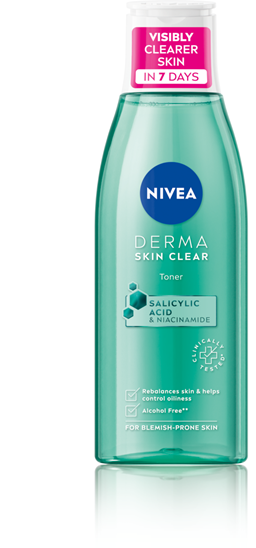
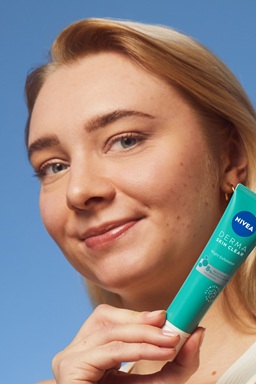
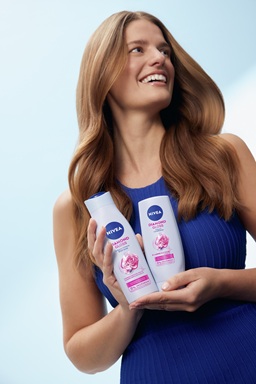
The NIVEA Derma Skin Clear range is designed to help you fight blemishes and includes vegan formula* products that you can easily add to your day or night care routine. This clinically and dermatologically tested range uses three main ingredients – niacinamide, salicylic acid and glycolic acid – to help improve the look of blemish-prone skin.
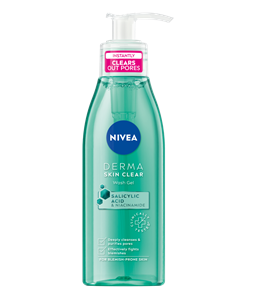
Cleanse: use a gentle cleanser twice a day, morning and evening, to wash your face and remove dirt, extra sebum and impurities from the surface of your skin. The NIVEA Derma Skin Clear Cleansing Gel helps to remove excess sebum that could clog your pores and encourage new blemishes. This gel contains salicylic acid and niacinamide to help reduce blemishes and prevent them from coming back.
*no ingredients of animal origin
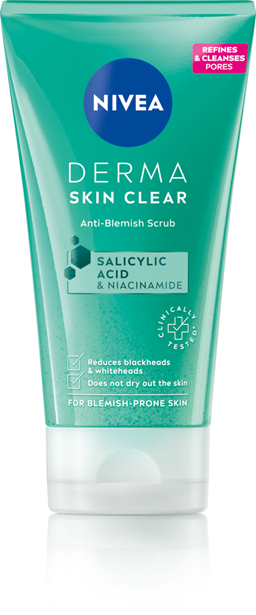
Exfoliate: exfoliating your skin 1–2 times a week with a gentle scrub or exfoliant can help remove dead skin cells and keep pores from getting clogged. With salicylic acid and niacinamide, the NIVEA Derma Skin Clear Scrub is specially formulated for blemish-prone skin. It helps unclog pores and reduce the look of blackheads and whiteheads without drying out your skin.
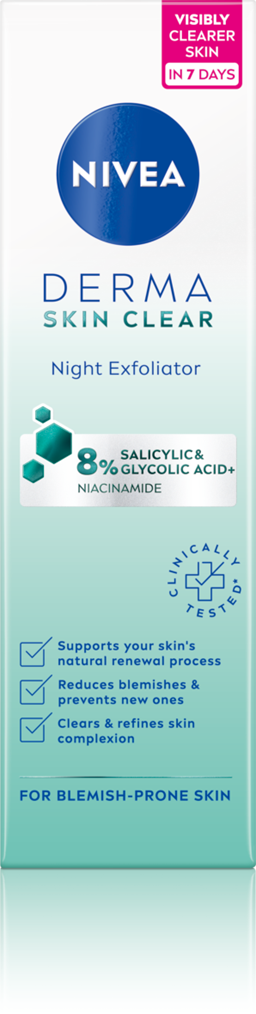
NIVEA Derma Skin Clear also includes the Derma Skin Clear Daily Night Exfoliating Care, which you can use every day to help remove dead cells and support your skin’s natural renewal process. Remember to read the usage precautions on the pack.
It’s important to exfoliate your skin gently because over‑exfoliating can irritate your skin and have the opposite effect to what you want.
When you’re dealing with breakouts, it’s really important to be patient with your skincare routine. It can take some time before you see results and consistency is key. If your breakouts are very strong or just won’t go away, it’s a good idea to talk to a dermatologist for personalised advice and suitable treatment options.
How to help prevent
breakouts on your face and skin?
Fighting skin breakouts is all about a mix of good skincare habits, a healthy lifestyle and paying attention to things that can trigger pimples. As we mentioned earlier, it’s really important to cleanse your skin gently but thoroughly morning and evening, and to exfoliate regularly. On top of that, here are a few extra tips that can help you prevent breakouts:
- Use non-comedogenic products:
Choose skincare and makeup products that say “non-comedogenic” on the label to help reduce the risk of clogging your pores.
- Avoid touching your face:
Touching your face can transfer bacteria and oils from your hands to your skin, which can lead to sudden breakouts on your face. Try not to touch your face unless you really need to.
- Wash pillowcases and bedding regularly:
Bacteria and oils from your hair and face can collect on your pillowcases and sheets. Change them regularly to help avoid sudden breakouts on your face.
- Adopt a balanced diet:
Try to eat a balanced diet rich in fruits, vegetables, whole grains and lean proteins. Cut down on very sugary and heavily processed foods, as these may encourage pimples or acne to form.
- Stay hydrated:
Drink plenty of water to keep your skin hydrated and to support your body in flushing out toxins. As a general guide, you can aim for around 1.5 to 2 litres of water per day.
- Manage stress:
High stress levels can trigger breakouts. Try stress‑reduction techniques such as yoga, meditation or deep breathing exercises to help calm your mind and body.
- Exercise regularly:
Regular exercise increases blood flow, which can help nourish your skin cells and keep them healthy. Just remember to shower and cleanse your skin after a workout to remove sweat and bacteria.
- Avoid excessive sun exposure:
While a bit of sun can sometimes seem to improve acne for a while, too much exposure can increase sebum production and damage your skin over time. Damage to the skin barrier can increase inflammation and acne‑causing bacteria, which then leads to more breakouts. Always use suitable sun protection when you’re outdoors to protect your skin.
- Don't overuse acne or pimple products:
Using too many acne products or using them too often can irritate your skin. Follow the instructions carefully and give your skin time — acne treatments and cosmetic blemish care can take a while to show visible results.
- Avoid popping pimples:
Popping or picking at pimples can make inflammation worse and can lead to scarring. Try to keep your hands away from them, or see a professional if you feel you need help.
Summary
- Breakouts are common skin concerns that can affect anyone, but with the right knowledge and suitable care or treatments, you can help manage and prevent them effectively. It’s important to understand the different types of pimples and blemishes, as well as their common causes – such as hormonal fluctuations and food choices – so you can build an effective skincare routine that really suits you.
- Small lifestyle changes, like better stress management, a balanced diet and drinking enough water, can also make a big difference to how clear and healthy your skin looks. With this complete guide, you can take proactive steps to help limit breakouts and support radiant, even‑looking skin.