6 Benefits of
Face Serums in Skincare
Meet
the Expert:
Dr. André Mahns, Head of Global Development Face Care at Beiersdorf AG. With a doctorate in biology and over 15 years of experience in skin research at Beiersdorf, Dr. Mahns has an in-depth understanding of the science behind skincare and cosmetic ingredients.
Look out for his expert insights throughout this article under the sections "A word from our expert."
What does a
Facial Serum do to the skin?
Adding a face serum into your daily regimen can help you get healthy-looking, more radiant skin.
In contrast, simple moisturisers and creams mainly focus on hydrating the top of your skin and creating a protective barrier to lock in moisture, which is essential for maintaining overall skin hydration and protection.

6 Benefits of
Face Serums
- Quick absorptionFacial serums are formulated to promote deep penetration of ingredients into the epidermis (top layer of the skin). Their thin consistency lets them absorb faster, delivering active ingredients where they are needed more quickly.
- Targeted skincare concernsFace serums are often designed to address specific skincare concerns such as ageing, hyperpigmentation, hydration or blemishes. They contain high concentrations of active ingredients like vitamins, antioxidants, Peptides or Hyaluronic Acid to tackle these concerns more effectively for you.
- Lightweight textureUnlike heavy creams, face serums have a lightweight texture that feels comfortable on your skin. They do not leave a greasy or sticky residue, making them suitable for most skin types, including oily and blemish-prone skin.
- Enhanced efficacyBecause of their special formulation and generally higher concentration of active ingredients, facial serums often deliver more visible and faster results than other skincare products. They can help improve the appearance of fine lines, wrinkles, dark spots and uneven skin tone with regular use.
- Layering adaptabilityFace serums can be easily layered with other skincare products such as moisturisers and sunscreens. They can be an effective first step in your skincare routine without interfering too much with the absorption and effectiveness of the products you apply afterwards.
- Protection against environmental damageMany face serums contain antioxidants like Vitamin C and Vitamin E, which help protect your skin from environmental aggressors such as pollution and free radicals generated by UV rays. Combined with the use of sun creams and other methods of protection, this can help prevent signs of premature ageing and maintain your skin’s health.
Overall, adding a face serum into your daily skincare routine can help improve the healthy appearance of your skin by targeting specific issues and, depending on the formula, helping to provide moisture protection as well.

What Facial Serum to choose for
Your Skin Type?

What Facial Serum to choose for
Your Skin Concern?
- Ageing Skin:
Anti-ageing face serums with antioxidants and Peptides may help reduce fine lines, wrinkles and age spots. Ingredients like Bakuchiol, Vitamin C and Coenzyme Q10 can help boost Collagen production and help protect your skin from free radical damage. These face serums could also improve skin elasticity and firmness, providing a more youthful-looking and radiant appearance for you.
For ageing skin due to glycation, the NIVEA Q10 Anti-Wrinkle Expert Dual Action Serum combines GLYCOSTOP® and pure Q10 to visibly reduce wrinkles in just 2 weeks*, providing smoother and more youthful-looking skin.
*In-vivo determination of skin condition by self-grading, STDR-076621C, March 2023 - Hyperpigmentation:Face serums with Thiamidol may be best suited for your skin. This patented ingredient can help brighten your skin and reduce dark spots by inhibiting melanin production, helping to lighten pigmentation for a more even-looking complexion.
- Dullness:Face serums with Vitamin C may be a better option. Vitamin C can help revitalise your skin, giving it a radiant glow by neutralising free radicals.
- Blemishes:You may consider facial serums with Niacinamide to address blemishes. Niacinamide can help regulate oil production, which can reduce the occurrence of pimples and minimise the appearance of blemishes, resulting in a clearer-looking complexion.
NIVEA Derma Skin Clear Rebalance & Protect Serum is enriched with Pro-Vitamin B5, Niacinamide and Hyaluronic Acid to help reduce and prevent the reappearance of blemishes.
Consult a dermatologist:
If you have a skin condition that you want to address, it’s best to consult a dermatologist.
Consider the texture:
Although lightweight, facial serums can have different textures, such as gel, liquid or oily. You may want to choose the texture that feels the most comfortable on your skin and that you feel layers best with in your routine.
What does Serum do
for your face
Targeted:
A face serum helps you target wrinkles, uneven skin tone and dullness, depending on the potent ingredients it contains, in order to penetrate the skin in depth.
Quickly absorbed:
Facial serums are absorbed by the skin quickly and help deliver noticeable improvements faster than creams thanks to their concentrated formula.
Versatile:
Face serums are versatile and usually suit most skin types, thanks to their lightweight textures and ability to help create a shield against environmental damage.
How and when to
apply a Serum to Your Face?

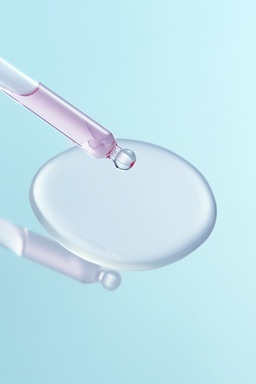
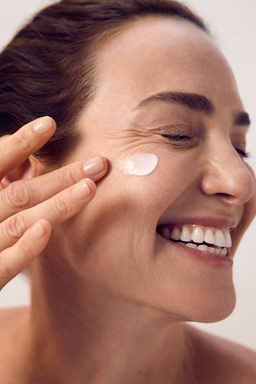
To apply it, use 2 to 3 drops of face serum and gently pat it onto your face and neck. Try to favour patting rather than rubbing, to maximise absorption.
Then give it one to two minutes to get fully absorbed before you move on to the moisturising step.
NIVEA Luminous Range
How to
layer Serum?
Serum layering refers to the practice of applying multiple serums in one skincare routine to address different skin concerns. You may already use one serum, but layering two or more serums can enhance your skincare routine by combining the benefits of various active ingredients. Serums usually have lightweight formulas, allowing them to be applied one after the other without overwhelming your skin. You can layer several serums depending on your skin’s needs, but it’s essential to pay attention to which ones combine well.
A word from our expert:
"Layering serums allows you to customise your skincare routine based on your skin’s changing needs. Starting from a rather dry skin condition, the NIVEA Cellular Expert Filler Vitamin C Serum was already able to provide good moisturising performance. We then layered the NIVEA Cellular Expert Filler Hyaluron Replumping Serum with the Vitamin C Serum: the entire face was clearly moisturised on top." – Dr. Mahns**
- Rule 1: Choose the Right ProductSelect serums based on your skin type, age and sensitivity. Check the active ingredients to ensure they match your skin’s needs. Some ingredients shouldn’t be combined, as they may cause irritation or cancel each other out. Be sure to consult a skin care specialist for personalised advice.
- Rule 2: Order of ApplicationApply serums from thinnest to thickest. Start with lightweight, watery serums and finish with richer formulas. Always apply products with SPF last for optimal protection.
- Rule 3: Take Your Time
Apply a few drops of each serum, gently massaging or patting it into your skin. Give each layer time to absorb before applying the next to ensure maximum effectiveness.
A word from our expert:
“In general, it is said that you should move in order from more fluid, lighter products to more nourishing products. This ensures optimal absorption by the skin. Otherwise, heavier serums with more nourishing properties could make it more difficult for lighter products to be absorbed.” – Dr. Mahns**
Layering serums with
different active ingredients
- Hydrating IngredientsHyaluronic Acid is excellent for hydration. It pairs well with Niacinamide and Glycerine, enhancing water molecule retention. Niacinamide also complements Bakuchiol and Retinoids, boosting antioxidation and improving the healthy appearance of your skin.
- Ingredients for Wrinkles
Retinol is proven to reduce wrinkles, but it can irritate sensitive skin and increase sun sensitivity. It should not be combined with strong exfoliants like AHA/BHA or Salicylic Acid. Bakuchiol is a gentler, plant-based alternative with similar benefits to Retinol, making it a great option for sensitive skin.
A word from our expert:
“You should be careful when combining active ingredients that you know have the potential to cause irritation, such as highly concentrated acids or retinol. In the case of the various NIVEA CELLULAR Expert serums, the compatibility of the combination is assured. We even have a dermatological tolerance test for these products that clinically confirms the skin compatibility of layering these products.” – Dr. Mahns**
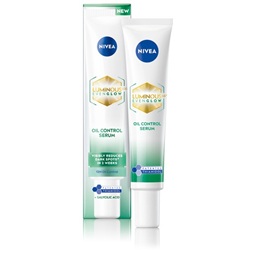
NIVEA LUMINOUS630 Even Glow Serum
The NIVEA LUMINOUS630 Even Glow Serum helps unlock your skin’s natural radiance with a powerful blend of caring ingredients. Containing LUMINOUS630, Niacinamide and Aloe vera, it evens skin tone, refines skin texture and provides fresh, instant and long-lasting hydration.
Its lightweight, fast-absorbing formula provides instant luminosity without feeling heavy or greasy. Designed for effortless daily use, it fits seamlessly into your skincare routine — whether worn alone or under makeup. Perfect for you if you want smooth, radiant and healthy-looking skin.
NIVEA Cellular Expert Serums
The NIVEA Cellular Expert Serums are designed to target your skin's unique needs, offering a more personalised approach to skincare.
The NIVEA Cellular Expert Hyaluron Replumping Serum deeply hydrates deep-down into the epidermis and plumps the skin with pure micro Hyaluronic Acid, locking in moisture for a smoother, more youthful look. The small-sized Hyaluronic Acid penetrates 10 layers deep* of the epidermis to give wrinkles a filled-in effect.
* In vitro tested
The NIVEA Cellular Expert Lift 3-Zone Lifting Serum, formulated with 10x pure** Bakuchiol, works at the cell level for a 3-zone lifting effect, reducing wrinkles and firming the face, neck and décolleté.
**Compared to Bakuchiol used in other NIVEA Cellular Expert Lift products.
The NIVEA Cellular Expert Filler SPF50+ Daily UV Serum Fluid offers superior UV protection while correcting signs of ageing. Formulated with two types of Hyaluronic Acid, it boosts hydration, reduces wrinkles, and uses Licochalcone A, a powerful antioxidant, to help protect against pollution's effects, such as oxidative stress.
The NIVEA Cellular Expert Vitamin C Radiance Renewing Serum boosts your skin's radiance with Vitamin C & E, two powerful antioxidants, to help fight free radicals. Its lightweight formula, enriched with an Amino Acid, deeply hydrates and smooths, leaving your skin feeling refreshed and glowing.
Summary
In conclusion, face serums are a powerful addition to any skincare routine, offering targeted treatment for various skin concerns such as wrinkles, hyperpigmentation and dullness. Their high concentration of active ingredients ensures deep penetration and quick, noticeable results, making them more effective than many other skincare products.
By adding a facial serum tailored to your specific skin type and concerns, you can work towards healthier, more radiant skin. Regular use of face serums, along with proper application techniques, can significantly enhance the overall effectiveness of your skincare regimen.