How to Help Get Rid of Dark Spots:
Causes, Care & Prevention
Dark spots –
Overview
In this easy, comprehensive guide, NIVEA walks you through the causes of dark spots and shares simple but effective ways you can manage and prevent them, so you can enjoy a more luminous, even-toned complexion.
What are
Dark Spots on the Skin?

4 Common areas for
Dark Spots
- Face:
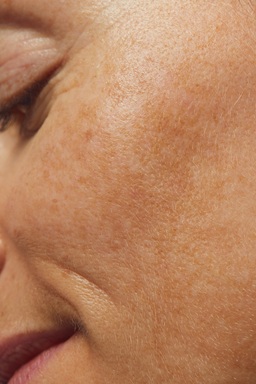
Your face is especially vulnerable to pigmentation because of constant UV exposure and its thinner, more sensitive skin. Over time, this can lead to an uneven tone and visible dark patches that take away from your overall brightness.
- Hands:
Your hands are one of the first places to show signs of sun damage, often developing brown spots or age spots. With frequent exposure to the environment and less melanin regulation as you age, hyperpigmentation on the hands can become more noticeable.
- Chest:Your chest area is often overlooked in sun care, but it's highly prone to UV-induced pigmentation. Irregular skin tone and darkened areas on the chest can build up over years of unprotected or inadequate sun protection, especially in warmer climates.
- Back:Dark patches can form on your back due to a combination of sun exposure, skin irritation from friction, or a build-up of dead skin cells. These marks may appear uneven and can be difficult to treat without a consistent routine.

How do the formulas within
Luminous630 help dark spots?

NIVEA Luminous630 products are developed to fade dark spots and help prevent future pigmentation by working at the cellular level to rebalance melanin production and target dark spots at their root cause, giving your skin more even-looking radiance over time.
6 Common causes of
Brown Spots on Skin
- Sun exposure:Overexposure to ultraviolet (UV) rays is the leading cause of hyperpigmentation. When your skin is left unprotected, it reacts by producing excess melanin, leading to sunspots, brown patches and an uneven skin tone.
- Hormonal changes:Hormonal fluctuations, particularly during pregnancy or when you’re using hormonal contraceptives, can trigger conditions like melasma. This results in dark patches on the face and body that are often difficult to fade without targeted care.
- Post-inflammatory hyperpigmentation (PIH):When your skin experiences trauma – such as after insect bites, rashes or shaving – melanin can concentrate at the site, leaving behind dark marks. PIH is especially common in medium to darker skin tones.
- Genetics:Your genetic makeup can influence how your skin reacts to sunlight and irritation. If your family members are prone to brown marks, you’re more likely to experience them too, regardless of how careful you are with sun exposure.
- Friction and rubbing:Chronic friction from tight clothing, shaving or repeated movement in areas like your underarms, neck and thighs can stimulate melanin production. This often results in dark patches and a rougher skin texture in those regions.
- Ageing:As you age, your skin's natural processes can become less efficient, including the even distribution of melanin. This can result in the build-up of pigmentation in certain areas, causing dark brown to black spots to appear.
6 Ways to reduce
Dark Spots
NIVEA Luminous630
Skincare Routine to Reduce Dark Spots:
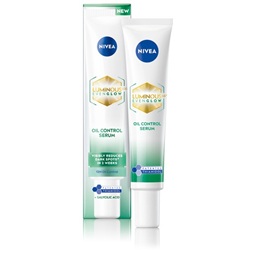
Apply a serum that can help brighten your skin and fade dark spots. The NIVEA Luminous630 Dark Spot Advance Serum formula contains Thiamidol® to target existing pigmentation, lighten spots and reduce their size. Dermatologically tested and suitable for all skin types, it offers you a gentle and approved approach to skincare.
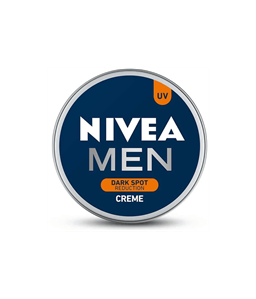
For men, the NIVEA MEN 2 in 1 Anti-Dark Spots Anti-Age Power Serum can help tackle dark spots. It is formulated with Luminous630 (previous denomination for Thiamidol®) and Hyaluronic Acid to hydrate, combat wrinkles and reduce the size of brown marks. The serum offers a convenient solution for men looking for effective anti-dark spot care.


Choose a moisturiser that effectively hydrates your skin without clogging pores. Keeping your skin properly hydrated can significantly improve the way it looks and feels.
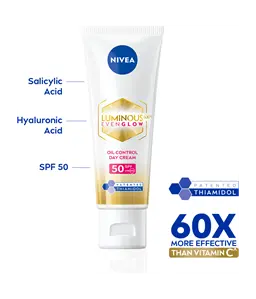
A day cream offers essential moisture and hydration throughout the day to help maintain your skin's natural barrier. When you pick a day cream that contains UV filters and antioxidants, it helps protect against external factors such as UV rays, pollution and everyday stressors, which can all play a role in the development of dark spots and other skin concerns. The NIVEA Luminous630 Anti-Dark Spot Daily UV Fluid is a lightweight moisturiser that not only works gradually to minimise the visibility of dark spots but also helps prevent the appearance of new dark spots thanks to its SPF 50.
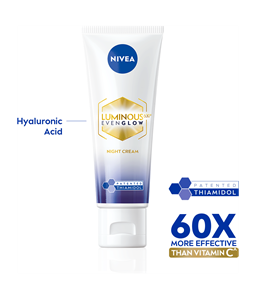
At night, it's helpful to support your skin's renewal process by using a night cream. Go for a night cream infused with ingredients that can help reduce the visibility of dark spots while you sleep. The NIVEA Luminous630 Anti-Dark Spot Even Tone Night Cream contains cell-activating Hyaluronic Acid to plump wrinkles and Thiamidol® to help reduce the appearance of dark spots. The formula also supports your skin's overnight regeneration.
Throughout the day, it's essential to protect your skin from the sun and harmful UV rays by using a sunscreen with a high SPF. Sun exposure can further darken your dark spots.
The NIVEA SUN UV Face Specialist Dark Spot Control Fluid helps prevent and visibly reduces sun-induced spots by protecting your delicate facial skin against UV rays. Its light and non-greasy fluid formula contains Thiamidol®, Hyaluronic Acid & Vitamin E and offers a refreshing feel and a smooth skin finish.


Body care for dark spots:
The NIVEA Luminous630 Anti Stretch Marks range with Thiamidol (previously called Luminous 630) is specially formulated to address both stretch marks and dark spots on the body. Thiamidol, a patented active ingredient, is clinically proven to reduce the appearance of dark spots and help prevent their reappearance with consistent use. It also helps even out differences in skin tone so stretch marks look less visible.
This targeted range includes two body-care products: an anti-dark spots and anti-stretch marks cream and a body oil-serum, specially designed for stretch marks. Apply daily to areas of concern for best results. Use only one Luminous630/Thiamidol-containing product per day on your body.
Optional weekly exfoliation:
1–3 times a week, gently exfoliate your skin to help remove dead skin cells and improve how well your skincare products work. Exfoliation can help speed up the skin's natural turnover process, which, over time, can help fade dark spots.
The NIVEA Luminous630 Skin Glow Exfoliant Liquid 100ml, formulated with 4% AHA, 1% PHA and soothing Aloe Vera, provides gentle yet effective exfoliation to help refine skin texture, reduce the appearance of pores and leave your complexion looking brighter and more even.
Just be careful not to over-exfoliate, as that can irritate your skin.


Luminous630 Instant Glow Serum
This lightweight serum is suitable for all skin tones and works effectively to fade existing dark spots and prevent their reappearance. With consistent use, it helps reveal a more radiant, smooth and even-looking complexion in just a few weeks.

How to prevent
dark spots on skin?
- Use sunscreenUsing sunscreen protects your skin from the sun damage that causes brown spots. By using a high SPF sunscreen every day, you can help prevent your skin from becoming damaged and keep it as healthy as possible to fight the formation of dark spots on the skin.
- Cover upBlack or brown spots on your face, neck and other overexposed areas can be prevented by covering them from the sun. Even if you use sunscreen, these areas are still more prone to dark spots than others. Try a baseball cap or a broad-brimmed hat to give your face and neck some extra protection from the sun.
- Avoid the midday sunThe sun is at its strongest and most intense during midday and early afternoon, increasing the risk of sun damage and the chance of developing black and brown spots on the skin. To protect your skin, try to stay in the shade during these times and enjoy the sun in the early morning or late afternoon when it isn’t as harsh.
By following these simple preventive steps and making sun protection a daily habit, you can greatly reduce your risk of developing dark spots and keep your skin looking healthier and more youthful over time.

Summary
Dark spots are a common skin concern, often appearing on sun-exposed areas such as your face, hands, back and chest. The good news is that they can be managed with a dedicated skincare routine, helping you reduce and prevent them over time.
Consistency is key – especially with the regular use of sunscreen to protect your skin from harmful UV rays and prevent existing dark spots from getting darker.
While dark spots are generally not dangerous, it’s strongly recommended that you get any new or changing skin discolouration checked by a dermatologist to rule out serious skin conditions.