What Causes
Dry Skin and How Can It Be Reduced?
What is
DRY SKIN?
Dry skin often feels rough and flaky. It can be caused by many things, including a lack of your skin’s natural oils, harsh weather conditions, or excessive washing. By adopting a simple, regular skincare routine for dry skin along with a few other preventative steps, you can minimise discomfort and improve how your skin looks and feels every day.
5 Common Signs of
DRY SKIN
Dry skin can show up in a variety of ways, and recognising the signs early makes it easier to care for your skin effectively.³ Common symptoms include:
Noticing the signs of dry skin early really helps you manage your skincare better. Some common signs include:
Tightness or a feeling of “pulling” on the skin, especially after washing
Rough or flaky patches, often more noticeable in certain areas like the elbows, knees, and heels
Itchiness, which can sometimes make you scratch and cause further irritation
Redness or inflammation, especially in more severe cases
Cracks or fissures in the skin
Dry Skin vs
Dehydrated Skin
The signs of dehydrated skin can be similar to those of dry skin, but dehydrated skin can sometimes feel oily and dry at the same time. Signs of skin dehydration can also include skin feeling tight, looking dull and showing early signs of ageing, such as sagging skin and wrinkles.
Whether you have dry or dehydrated skin, it’s important to drink the recommended amount of water every day, follow a balanced diet, and use hydrating skincare products to prevent dryness.
5 Causes of
Dry Skin
Dry skin can sometimes be a sign of a skin condition such as eczema or psoriasis. If this worries you or your dryness is very persistent, it’s best to seek professional medical advice to find the right solution for your skin type.

Hot Showers or Baths: Very hot water can strip the skin of its natural oils, so keeping your showers or baths shorter and using lukewarm water can help preserve moisture.
Indoor Heating and Air Conditioning: Using indoor heating and cooling, especially in closed rooms, can dry out the air and your skin.
Low Humidity Levels: During dry or cold weather, moisture evaporates more quickly from your skin, leaving it feeling dry.
Severe weather conditions: Wind, strong sun, and extreme temperatures can damage the skin’s natural barrier, leading to moisture loss.
Frequent Flyer: Recycled air in planes has very low humidity, which strips moisture from your skin, leaving it feeling tight, parched, and sometimes even flaky.
Age: As you get older, your skin tends to produce less sebum, which can result in dryness.
Medical conditions: Certain medical conditions like eczema, psoriasis, or hypothyroidism can also cause skin dryness, which sometimes occurs on the legs.
Harsh Soaps and Cleansers: Strong cleansing agents can disturb the skin’s pH balance and strip away its natural oils, leaving it dry and vulnerable.
Overwashing: Washing your skin too often can remove its protective oils and upset its natural moisture balance. It’s important to cleanse gently and only as needed to avoid extra dryness.
7 Skincare
TIPS FOR DRY SKIN:
- Moisturise regularly
Consistency is key in skincare. When you moisturise regularly, your skin stays hydrated, protected, and looks its best over time.
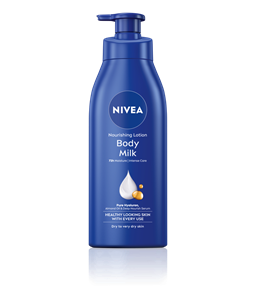
For dry skin on the body, you can try the NIVEA Repair and Care Body Lotion, which immediately helps relieve itching sensations in dry, tight skin and provides 72 hours of hydration*.
*Instrumental test, 42 participants
- Avoid hot water
Choose lukewarm water instead of hot water when you shower or bathe, as hot water can strip your skin of its natural oils.
- Wear breathable clothing
Pick breathable fabrics like cotton or linen, especially if you have dry skin. Try to avoid very tight clothing that can rub against your skin and cause irritation.
- Stay hydrated
Drink enough water throughout the day to keep your skin hydrated from the inside out.
- Humidify the air
Use a humidifier at home, especially during the winter or in air-conditioned rooms, to add moisture to the air and help prevent your skin from drying out.
- Protect your skin
Wear sunscreen whenever you spend time outdoors to protect your skin from sun damage, and to help prevent skin sensitivity and dryness caused by UV rays.
- Consult a dermatologist
If your dry skin continues even after trying these tips, or if you notice severe symptoms like cracking or bleeding, it’s important to talk to a dermatologist. They can check for any underlying medical conditions and suggest the best treatment for you.
Dry Skin
Symptoms: Dryness on the body can show up as rough or flaky patches, often more noticeable on areas like the elbows, knees, and heels.
Causes: Low sebum production, exposure to harsh weather conditions, and indoor heating or air conditioning can all cause dry skin by taking moisture out of your skin.
Treatment: Apply a moisturising cream for dry skin to your face and body after cleansing. This helps to replenish moisture and strengthen the skin’s natural barrier.
Prevention: Keeping a consistent skincare routine is essential to maintain hydration and improve your skin’s overall condition. Wear breathable clothing, protect your skin from sun damage, and humidify the air inside your home.
Men and
DRY SKIN
Morning Routine

Men often face unique challenges with dry skin because of different skincare habits and lifestyle factors. One common issue is shaving, which can make the skin more sensitive and reactive.
On average, men who shave put their skin through around 16,000 shaves in a lifetime, and up to 40% of men experience shaving-related skin problems, including dry skin. Shaving removes the uppermost layer of skin cells and exposes particularly sensitive skin. Regular shaving can also strip away the skin’s natural oils, leading to dryness, irritation, and razor burn.
Use a moisturising shaving cream or gel before shaving and follow up with the hydrating NIVEA MEN Sensitive 0% Alcohol Post Shave Balm, enriched with Chamomile and Vitamin E, to help with shaving irritations like redness, tightness, itchiness, and dryness.
*no Ethylalcohol
Skincare Routine for
DRY SKIN
Use a gentle, non-stripping cleanser that suits your skin type. NIVEA Face Cleansers offer a variety of products, including micellar waters and face washes, designed to meet different skin needs effectively.
For men: NIVEA MEN Sensitive Face Wash, a soap-free face wash for sensitive skin, contains Vitamin E and Chamomile extract to cleanse gently without drying out your skin.
Adding an exfoliant to your routine can help remove dead skin cells and support skin renewal. However, if you have dry skin, avoid exfoliating too often or using very strong products. It’s important to choose a gentle exfoliant that won’t dry out your skin. The NIVEA Face Scrubs range offers different face exfoliants for all skin types.
For men: NIVEA Protect & Care Face Cleansing Scrub, with Aloe Vera, cleans your skin thoroughly yet gently to unclog pores and remove excess oils and impurities.
Try the NIVEA Cellular Expert Filler Plumping Hyaluronic Serum, a hydrating, anti-wrinkle serum with Hyaluronic Acid that targets signs of ageing and boosts skin hydration.
For men: NIVEA Anti-Age Power 2 in 1 Serum combines Hyaluron with the patented anti-pigment ingredient LUMINOUS630, helping to reduce dark spots while providing an anti-ageing effect.

Apply a rich, nourishing moisturiser such as NIVEA Nourishing Day Cream, with SPF 15 and Almond Oil to help protect your skin’s moisture levels.
For men: NIVEA MEN Sensitive Intensive Cream-Gel provides instant relief from irritation, 48 hours of moisture and long-lasting skin comfort.
**Instrumental test, 51 men
If you notice dryness around your eye area, add a hydrating eye cream that’s specially formulated for the delicate skin around your eyes. The NIVEA Q10 Anti-Wrinkle Power Firming Eye Cream contains skin-identical Coenzyme Q10 and Creatine. Its intensive moisturising formula helps reduce crow’s feet, revitalise your eye area and reduce puffiness.
For men: NIVEA MEN Anti-Age Hyaluron Eye Cream with Hyaluronic Acid helps reduce eye bags and signs of tiredness while softening wrinkles in the eye area, for a healthier and younger look.
The NIVEA Face Sunscreen range offers a wide selection of sun care products for different skin types, including high-SPF sunscreens and hydrating formulas for sensitive and dry skin. Whether you prefer a lightweight, fast-absorbing lotion or a richer cream, the NIVEA Sun range has options to keep your skin cared for every day.
Combine Moisturising and Light SPF with Ease by
USING NIVEA SOFT SPF 15
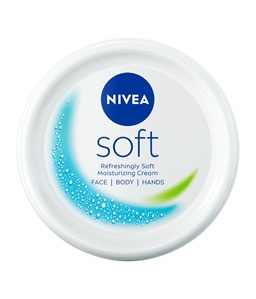
Try the NIVEA Soft Daily UV SPF 15 in your everyday routine. It offers hydration and light sun protection in one easy step. Its unique, light formula is designed to intensely moisturise while providing basic daily protection against UV rays. Infused with Shea Butter and Jojoba Oil, it softens your skin and gives lasting moisture. Suitable for face, hands, and body, this versatile cream can be used anywhere, anytime, making it an ideal addition to your daily skincare routine.
Daily SPF use is essential to help prevent photoaging, the premature ageing of skin caused by UV rays. However, to protect your skin effectively, you should use a sun protection product with an SPF that suits the intensity of the UV rays, your skin type, and your level of exposure, and reapply it regularly. Our Moisturising Cream SPF 15 is designed for everyday use, but reach for SPF 30 or 50 when you’re in direct sun.
Body Care Routine for
DRY SKIN
When your skin is still slightly damp after a shower or bath, apply a rich, nourishing moisturiser. This helps the moisturiser sink in more easily and provides deeper hydration. The NIVEA Repair & Care Fragrance-Free Body Lotion is suitable for dry and sensitive skin. Formulated without fragrance and with 10% Glycerin & Panthenol, it provides intensive care and moisturises the skin for 72 hours*. Just massage it into your skin to relieve feelings of tightness.
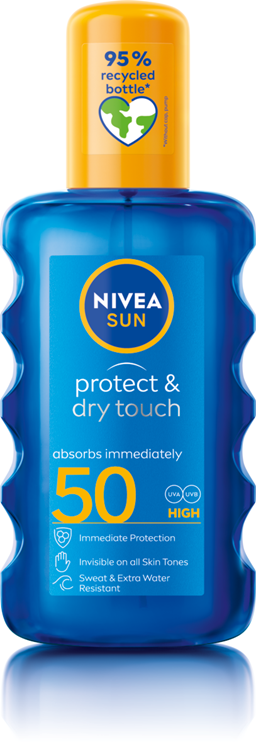
If you’re going out in the sun and parts of your body are exposed, a moisturising sunscreen will help keep your skin both hydrated and protected. Choose a broad-spectrum sunscreen with SPF 30 or higher during the day, such as NIVEA SUN Protection And Moisture Lotion SPF 30. It’s designed to protect your skin from UV damage and premature ageing while moisturising at the same time – and remember to reapply sunscreen to prevent sun damage.
*Instrumental test, 33 participants