Caring for dry skin
around your mouth
What is
dry skin around the mouth?
Dry skin around the mouth, often called perioral dryness, is quite common and can feel uncomfortable and irritating. This can happen for many reasons, including harsh weather conditions, dehydration, and in some cases, using irritating skincare products.
To deal with dry skin around your mouth, it’s important for you to focus on hydration by drinking plenty of water and using nourishing skincare products. Also, choosing gentle, dermatologically tested skincare products and protecting your skin from harsh weather conditions can help you manage this dryness and support a smoother, healthier-looking complexion.
Common causes of
dry skin around the mouth
Dry skin around your mouth can be linked to several causes. Here are 6 of the most common ones:
- Weather conditions:Harsh weather conditions, especially cold and wind, can strip your skin of its natural moisture, leading to signs of dry skin around the mouth.
- Dehydration:Not drinking enough water can make your whole skin feel dehydrated, which often shows up as a dry, tight feeling in sensitive areas such as around your mouth.
- Excessive lip licking:Frequently licking your lips might feel like a quick fix for dryness, but it actually makes things worse, because saliva has enzymes that can dry out the skin even more.
- Using irritating skincare products:Certain skincare or hygiene products – especially cleansers with alkaline soaps or strong surfactants, alcohol-based disinfectant gels, or other formulas with harsh chemicals or high levels of alcohol (ethyl alcohol) – can irritate the delicate skin around your mouth, leading to dryness and discomfort.
- Allergies:Allergic reactions to certain ingredients in cleansers, toothpastes, or lip products can cause a dry feeling and small, red patches around your mouth. Fragrances in products can also trigger allergies in people who are sensitive to them.
- Skin conditions:Conditions such as eczema or perioral dermatitis can lead to persistent dryness and irritation around the mouth in adults.
Understanding these common causes is the first step in really tackling and preventing dry skin around your mouth. If you're ever unsure about what's causing your dry skin around this area, or you think it might be linked to a medical condition, it's best to check with a doctor or dermatologist to find out more.
Signs of
dry skin around the mouth

It's important for you to spot the signs of dry skin around your mouth so that you can build a routine and care that really works for you. Here are six common signs to keep an eye on:
- Scaly skin:
Dry skin around your mouth often turns scaly or starts to peel. Because it can look a bit like crocodile skin, this is sometimes called the crocodile skin effect. You might see small, fine flakes or larger, more visible scales.
- Peeling:Along with scaling, you may notice peeling skin around your mouth, especially if the area has become very dry. This can make your skin texture feel uneven.
- Tightness:Dry skin can cause a feeling of tightness and discomfort, especially after cleansing or after your skin has been exposed to harsh environmental conditions. This happens because of a lack of hydration and a lack of natural oils on the skin's surface.
- Redness:
The area around your mouth may look red or inflamed. This redness is often accompanied by irritation and can make your skin seem more sensitive, both in how it looks and how it feels to the touch.
- Itching:Dry skin can make the area feel itchy and give you a strong urge to scratch. But scratching can damage the skin even more and may lead to small wounds or infections, so it's better to soothe the area instead.
- Cracks:In more severe cases, the skin around your mouth may crack. These cracks can be painful and may even bleed, which can make eating or speaking uncomfortable. If this is happening to you, it’s best to consult a doctor.
It's important to remember that these signs can get worse if you don't take care of them early enough. So it's really helpful to quickly address dry skin around your mouth by following an appropriate skincare routine and adjusting a few lifestyle habits to avoid more discomfort. If your symptoms get worse, it's a good idea to speak to a specialist.
Dry skin around the mouth
in men and women
Women
Dry skin around the mouth can affect both men and women. In women, hormonal changes, especially during menopause or pregnancy, can make this area feel even drier. You might also notice this problem if you use makeup a lot, particularly lip products or mouth-contour makeup, which can sometimes strip moisture from the skin.
Men
For men, frequent shaving can remove the skin’s natural oils, which may lead to dry and irritated skin around the mouth. To reduce dryness in this area, it’s important for you to follow a gentle skincare routine that’s adapted to your skin’s sensitivity and to avoid using too many products containing alcohol (ethyl alcohol) or strong surfactants.
The NIVEA Men Sensitive Skin range is a great option if you’re looking for products that suit sensitive skin. This range is formulated without alcohol (ethyl alcohol) and contains gentle ingredients such as vitamin E and natural plant extracts like chamomile and witch hazel. Together with the other ingredients in the formula, they help protect your skin from signs of irritation, soothe it and keep it hydrated.
A skincare routine to combat
dry skin around the mouth with NIVEA
Dry skin around your mouth can feel uncomfortable and inconvenient in your day-to-day life. Whether it's caused by the weather, dehydration, or your natural skin type, NIVEA is here to offer you some support. Here's a simple, complete skincare routine to help you deal with dry skin around your mouth:

1. Gentle cleansing:
Start your skincare routine by cleansing your face with a gentle, hydrating cleanser. Choose a mild product that’s specially formulated for dry skin and whose skin tolerance has been tested under dermatological control. With Hydramine® and sweet almond oil, the NIVEA Gentle Cleansing Milk is designed to help remove impurities from dry and sensitive skin while maintaining your skin’s natural moisture.
2. Exfoliation (1–2 times per week):
Exfoliating your skin helps remove dead skin cells so that your moisturizing products can absorb better. Use a gentle exfoliant with fine particles so you don’t irritate the delicate skin around your mouth. Apply it in light, circular motions, focusing on dry areas, then rinse it off thoroughly. Avoid exfoliating if your skin is red, irritated or cracked.
3. Moisturizing:
Apply a moisturizing and nourishing cream all over your face, paying extra attention to the dry areas around your mouth. Look out for a product with ingredients that help your skin hold on to water. The NIVEA Nourishing Day Care 24H Hydration contains natural sweet almond oil, natural magnolia extract, and NIVEA’s intense hydration complex to help nourish and smooth your skin. It also has a light SPF 15 to help protect your skin from the harmful effects of the sun.
4. SPF:
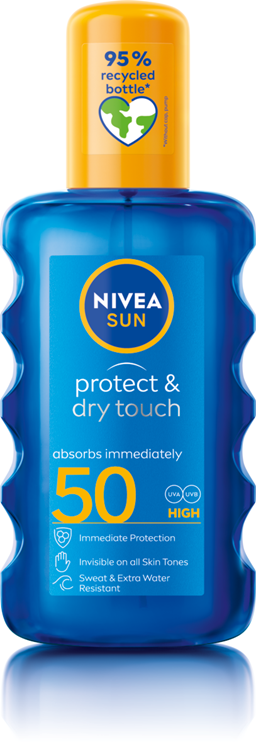
Using SPF to protect your skin from UV rays is a key step to keep it healthy and prevent it from drying out even more. NIVEA SUN UV Face Anti-Age Q10 Normal to Dry Skin SPF 50 helps provide immediate and very effective protection against skin damage caused by UV rays and blue light. This sun protection is designed for normal to dry skin and leaves your skin feeling soft thanks to its moisturizing formula. With Q10, the formula also helps fight the appearance of fine lines, wrinkles and sun-induced dark spots.

5. Lip care:
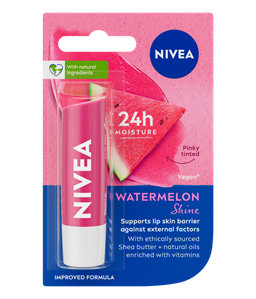
Use a moisturizing lip balm to keep your lips nourished. With shea butter, natural oils and vitamins, the Labello Original Moisturizing Lip Stick helps hydrate your lips for longer and keeps them soft.
By following this NIVEA skincare routine, you can help visibly reduce signs of dryness around your mouth and support a more radiant-looking complexion. The main thing is to follow your routine every day – consistency is the real secret to soft, supple skin.
If the dryness around your mouth gets worse, or if you notice strong redness, irritation or cracks, it’s a good idea to consult a dermatologist for expert advice and more targeted care.
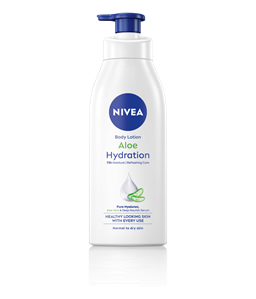
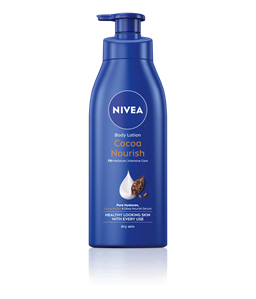
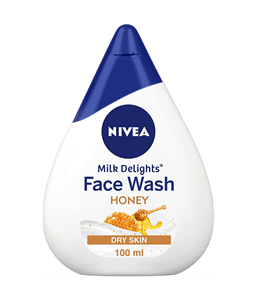
To deal with dry skin around your mouth, choosing products that are specially designed for dry skin can make a real difference. NIVEA offers a wide range of skincare products created to help you combat dryness and to provide intense, long-lasting hydration. By adding NIVEA dry skin products to your daily routine, you can help reduce feelings of discomfort and tightness around your mouth and support skin that looks more supple and nourished.
Important points about
dry skin around the mouth:
Characteristics: scaly, peeling skin, redness and a feeling of tightness or general discomfort.
Causes: harsh weather, frequently licking your lips, over-cleansing and using harsh skincare products.
Protection: staying well hydrated, avoiding lip licking and following a skincare routine that helps support your skin’s natural moisture barrier.
Care: using a moisturizing lip balm or face cream to maintain your skin’s water content, plus gentle, dermatologically tested skincare products to limit the risk of extra irritation around your mouth.
Universal moisturizers for
dry skin around the mouth
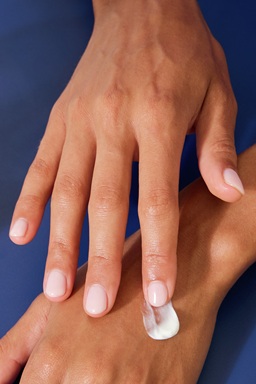
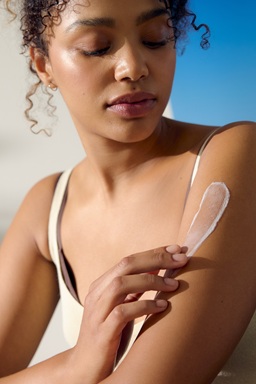
NIVEA Soft and NIVEA Creme are universal moisturizers that you can use on your whole body.
NIVEA Soft is a particularly effective moisturizing cream for everyday use. Its light formula with vitamin E and jojoba oil absorbs quickly and refreshes your skin. This cream can be used on your face, hands and body as a multi-purpose moisturizer.
NIVEA Creme is NIVEA’s original moisturizing cream for dry skin on your hands, body and face. With Eucerit® in its formula, it gives your skin the protective care it needs to stay soft. Its tolerance has also been tested under dermatological control.
How to help prevent the appearance
of dry skin around the mouth?
- Stay hydrated:Drink enough water every day to hydrate your skin from the inside. As a general guide, you can aim for around 1.5 to 2 litres of water a day, depending on your needs.
- Avoid over-cleansing:Try not to wash your face too many times a day and use skin-friendly cleansing products. Opt for a non-irritating toothpaste, since some toothpastes can irritate the skin around the mouth in people who are more sensitive. Rinse well with clear water and gently pat your skin dry instead of rubbing it.
- Protect from harsh weather conditions:Extreme weather – like cold, wind or strong sun – can dry out your skin. In these conditions, you can use clothing such as a scarf to protect your face from the cold and wind.
- Avoid licking your lips:Saliva can actually make dry skin worse. Try to resist the habit of licking your lips, as it can increase irritation and chapping. Instead, use a moisturizing lip balm regularly to keep your lips hydrated and to reduce the urge to lick them.
- Avoid excessive exfoliation:Avoid exfoliating the skin around your mouth too often, as this can make the dryness feel worse. Instead, go for gentle exfoliation methods and limit them to one or two times per week. If your skin is already irritated, it’s better to skip exfoliation altogether.
- Choose gentle, dermatologically tested products:When you pick skincare or makeup products, try to choose ones whose tolerance has been tested, ideally on dry and sensitive skin types.
- Use a moisturizer:Apply a gentle moisturizer around your mouth morning and evening. Look for products with caring ingredients like sweet almond oil, shea butter or vitamin E.
- Protect from the sun:
Use sun protection on your facial skin, including around your mouth, whenever you go out, because exposure to UV rays from the sun can make dryness worse.
To avoid dry skin around your mouth, it helps to combine good hydration, protection and gentle skincare. When you follow these tips and pay attention to the products you use, you’ll be supporting smoother, more comfortable skin in this sensitive area.
A look at
dry skin around the mouth
Dry skin around the mouth is something many people notice at some point, but with a bit of basic know-how and the right care, you can support your skin and help prevent it. To manage this, it's useful to understand the main causes, which can include harsh weather, dehydration and the use of strong or unsuitable skincare products. Adopting a targeted skincare routine that suits your skin's needs is a key step in reducing dryness in this delicate area.
Products for
Dry Skin


FAQs