How to repair your
Skin Barrier
What is a
Skin Barrier or Hydrolipid Barrier?
Your skin barrier is important because it's responsible for protecting your skin from external factors such as UV rays, chemicals, pollutants and any other external threat that can damage your skin. Another main role is to prevent water loss, so if your skin is feeling dry and sensitive, it could be a sign of a damaged skin barrier.
What is a
Broken Skin Barrier?
5 causes of a
damaged skin barrier
- Over-cleansing or excessive exfoliationUsing cleansers with active ingredients or fragrances too often can dry out your skin, making it irritated and tight, which can compromise your skin barrier.
Always make sure to check the directions on the product packaging so that you are using your products correctly for the best results. - Environmental conditionsA damaged skin barrier can also be caused by your environment, as extreme temperatures, pollution, and UV rays can damage skin cells and lipids, which makes it difficult for your skin to retain moisture and defend itself.
- Medical conditionsSkin conditions such as eczema, psoriasis, and dermatitis may require treatment with certain medications if advised by a medical professional. These can cause dryness and itchiness, contributing to a broken skin barrier.
- Lifestyle factorsA poor diet high in fat, salt and sugar, excessive alcohol consumption, and smoking can significantly damage your skin barrier due to inflammation, oxidative stress, and nutritional deficiencies.
- AgeingWith ageing, the hydrolipid barrier starts to thin out and lose its ability to hold on to moisture due to a decrease in your skin's natural oils and lipids, which keep it supple and hydrated. This can lead to dryness, roughness, itchiness, and even an increased risk of infection.
Always make sure to check the directions on the product packaging so that you are using your products correctly for the best results.
9 damaged skin barrier
symptoms

- Dry, patchy skin
- Flaky, uneven texture
- Sensitivity
- Redness
- Itchy skin
- Inflammation
- Dull-looking skin
- Prolonged wound healing
- Skin infections
how to repair your skin barrier
1. Keep your skin hydrated throughout the day and focus on incorporating ingredients such as Ceramides or Hyaluronic Acid into your skincare routine, as they are known for their ability to improve skin plumpness and restore natural moisture levels.
2. If you have delicate, sensitive skin, make sure you aren't using exfoliants on a daily basis, as this can strip your skin of its natural oils and irritate it further.
3. Be careful not to overuse products that contain ingredients such as alcohol or fragrances.
4. Adopting a healthy lifestyle can improve skin function and help you maintain a healthy skin barrier, as a well-rounded diet rich in vitamins and fatty acids can boost skin health and resilience.
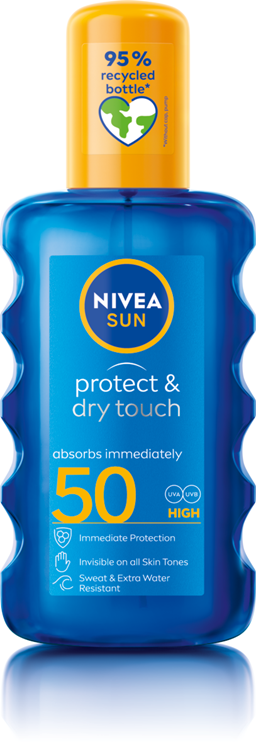
5. Make sure that you wear sunscreen on a daily basis to help limit and prevent further damage to your skin barrier from UV rays. A benefit of having SPF in your daily moisturiser is that you get to keep your skin hydrated while protecting it from the sun.
Restoring a damaged skin barrier takes time and patience, and consistent care is key.
NIVEA's skin barrier
repair routine
- CleanseIn order to effectively repair your skin barrier, try to avoid using cleansers that contain harsh ingredients, as they can disrupt the natural oils present in your skin. Instead, prioritise using hydrating cleansers such as the NIVEA Sensitive Cleansing Milk. This cleansing milk helps to ease symptoms such as redness, tightness, and dryness, while preserving your skin's natural moisture levels.
- Hydrate
The key to repairing your skin barrier is keeping it hydrated. A great place to start is by using a hydrating face sheet mask after cleansing, like the NIVEA Cellular Expert Pure Bakuchiol Sculpting Face Sheet Mask. Infused with restorative ingredients like pure Bakuchiol and Hyaluronic Acid, this mask will leave your skin feeling smooth and hydrated.
For even more hydration, use a nourishing moisturiser like the NIVEA Cellular Expert Lift Pure Bakuchiol Anti-Age Day Cream, which intensively hydrates and strengthens your skin. You can pair this with the NIVEA Cellular Expert Lift Pure Bakuchiol Anti-Age Night Cream at night for the best results. - SunscreenOne of the most vital steps in repairing your skin barrier is giving it the protection it needs from the sun's harmful UV rays. Sunscreen is a must-have in your skincare routine as it acts like a shield, protecting your skin from damage while also strengthening your skin barrier.
Once a damaged skin barrier is repaired, your skin will feel more nourished and soft to the touch, with less dryness, redness, and sensitivity. After you have built up your skin barrier's strength, you can look at incorporating active ingredients such as acids like Salicylic Acid, Niacinamide and Retinol more frequently.