Jojoba Oil for Skin:
Benefits and Uses
Jojoba Oil is a natural liquid wax extracted from the seeds of the Simmondsia chinensis plant, native to arid regions of North America. The oil is quite similar to the fats found in human sebum, making it an excellent emollient that your skin absorbs easily.
Containing Vitamin E and fatty acids, it may have certain anti-inflammatory properties and help support healing. These properties make Jojoba Oil ideal for soothing irritation, calming redness, and even helping you manage blemishes more comfortably.
Because it is so similar to human sebum, Jojoba Oil blends seamlessly with your skin, which is why it has become a staple in many skincare products.
7 Benefits of
Jojoba Oil for Skin
Is Jojoba Oil good for the skin? When you apply it on its own or use skincare products with Jojoba Oil for your face and body, it could offer many potential benefits. Here are some key benefits that Jojoba Oil may have for your skin. Do keep in mind that many of these benefits still need to be confirmed by further studies and that they generally refer to Jojoba Oil used neat, and not always to finished formulations that contain it.
- Hydration
Thanks to its waxy nature and emollient properties, Jojoba Oil forms a protective barrier that locks in moisture while shielding your skin from external aggressors, making it highly effective if you struggle with dry skin.
- Antioxidant properties
The natural Vitamin E content in Jojoba Oil acts as an antioxidant, helping your skin combat oxidative stress caused by pollutants and toxins. This protective effect can also support soothing redness after sun exposure.
- Non-comedogenic & blemish control
Jojoba Oil has a composition quite similar to your skin's natural sebum, so it can help dissolve the sebum that collects in the pores. This makes it a great option for skin prone to imperfections, as it helps maintain hydration without clogging pores, reducing the chance of pimples appearing.
- Anti-inflammatory properties
Recent studies suggest that Jojoba Oil may have useful anti-inflammatory properties for a range of skin concerns, particularly redness and irritation.
- Soothing & skin Repair
Known for its soothing and nourishing properties, Jojoba Oil is a lovely choice for sensitive skin. It could help ease redness and irritation while supporting your skin's natural healing process, making it especially helpful if your skin is prone to dryness and discomfort.
- Effect of collagen production
Ex-vivo studies have shown that Jojoba Oil supports the production of Collagen, a protein that helps maintain skin elasticity. This effect could be helpful in softening the look of signs of ageing over time.
- Soothes sunburn
Jojoba Oil's emollient properties could be beneficial for helping to soothe sunburned skin. Its caring components can help calm irritation and may reduce peeling, supporting faster recovery after sun exposure.
Uses of
Jojoba Oil
Jojoba Oil can be applied directly to your skin for many different purposes and is also commonly mixed with other beneficial ingredients in skincare products like face creams and body lotions that aim to soothe dry skin and keep it looking healthy and soft. Common Jojoba Oil uses for skin include:

- Applying Jojoba Oil directly to your skin on its own
Jojoba Oil absorbs easily and can be applied directly to your skin just as it is. If you’d like to explore using Jojoba Oil to address specific skin concerns, it’s a good idea to check in with your dermatologist first.
- As an ingredient in moisturising lotions and creams
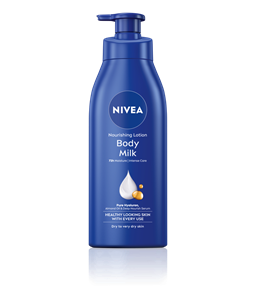
Since Jojoba Oil behaves very similarly to your skin's own moisturising oils, products containing Jojoba Oil, like nourishing body lotions, may help your skin hold on to moisture and protect it from drying out.
- As a carrier oil for essential oils
Jojoba Oil works well as a carrier oil for applying essential oils to your skin. Concentrated essential oils shouldn’t be applied pure to the skin. They must first be mixed with an oil, such as Jojoba Oil, to dilute them so they can be safely used on the skin.
- Applying directly to hair and nails
Jojoba Oil can also be used as a cuticle oil or as a leave-in hair conditioner to help your hair and nails feel more nourished.
Jojoba Oil
Key Benefits: Naturally containing Vitamin E and antioxidants, it can help keep your skin in good condition.
Uses: Found in moisturisers, serums, cleansers, and even as a gentle natural makeup remover.
Special Features: Lightweight, non-comedogenic, and offers excellent protection to help maintain hydration levels without clogging pores.
NIVEA &
Jojoba Oil
Jojoba Oil is a versatile ingredient that you can seamlessly weave into your daily skincare routine. Known for its hydrating and soothing properties, it works across different steps in your routine – from cleansing in the shower to moisturising your face and body. Follow this simple step-by-step guide to make the most of its benefits:

Jojoba Oil isn’t just for face oils; you’ll often find it in body washes, shower creams, and moisturisers. If you’re looking for a soothing shower experience, check out the NIVEA Coconut and Jojoba Oil Soft Care Shower, which gently cleanses and nourishes your skin with the smoothing properties of Jojoba Oil. Its caring formula is ideal if you want to protect your skin from drying out, leaving it feeling soft and supple.
NIVEA offers a wide range of shower cleansing products tailored to different skin needs – whether you want deep nourishment, gentle care, or an invigorating refresh, there’s something that can fit easily into your routine.
For an extra hit of hydration, you can try the NIVEA Cherry Blossom and Jojoba Oil Body Lotion. Packed with nourishing Jojoba Oil, this oil-in-milk formula with a non-greasy texture helps to smooth and deeply moisturise your skin, leaving it soft and replenished.
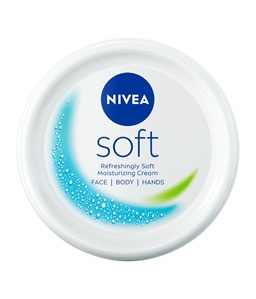
You can also enhance your routine with NIVEA Soft Daily UV SPF 15, a refreshing all-purpose cream that leaves your skin feeling soft and supple. The lightweight formula, infused with Shea Butter and Jojoba Oil, provides intense hydration while helping to protect your skin from harmful UV rays. With regular use, it helps prevent sun damage and photoaging, making it a handy everyday step in your skincare routine.

Jojoba oil vs.
Argan Oil
Both Jojoba and Argan Oils are popular in skincare, but they do have some clear differences:
- Source:
Jojoba Oil is derived from the seeds of the Simmondsia chinensis plant, native to North America, while Argan Oil comes from the kernels of the argan tree (Argania spinosa) found in Morocco.
- Composition:
Jojoba Oil is technically a liquid wax ester, with a structure that resembles the components of human sebum, whereas Argan Oil is mainly made up of triglycerides (fatty substances composed of glycerol combined with three fatty acids) rich in Linoleic and Oleic Acids.
- Scent:
Unrefined Argan Oil has a strong nutty aroma, whereas Jojoba Oil has a faint nutty or earthy scent, and refined versions are usually odourless and colourless.
- Vitamins and benefits:
Jojoba Oil and Argan Oil both contain Vitamin E and antioxidants. Because of its similar composition to sebum, Jojoba Oil tends to be more suitable for oily, blemish-prone skin and overall body care. Argan Oil, rich in Vitamin E, essential fatty acids, and polyphenols, is usually a better match for dry or mature skin.
- Texture & absorption:
Both Jojoba Oil and Argan Oil have a lightweight, fast-absorbing texture that hydrates without greasiness, making them ideal for use on the skin as well as the hair.
Summary
Jojoba Oil is a versatile and beneficial skincare ingredient, offering moisturising, antioxidant, and non-comedogenic properties. Because it is so similar to human sebum, Jojoba Oil can help keep your skin hydrated without clogging pores, making it suitable for many different skin types. Bringing products that contain Jojoba Oil, such as those from NIVEA, into your skincare routine can support healthy, comfortable, and well-nourished skin.