Does Sun Cream
Expire?
Understanding Sunscreen
Expiration

When it comes to the shelf life of sunscreen, it helps if you understand both how long products last when they are unopened or opened and how to find their expiration dates.
- Unopened Sunscreen Shelf Life:Unopened sunscreen usually lasts 2 to 3 years, depending on its formula and how it's packaged. The type of active ingredients can affect how quickly it breaks down. Good quality packaging, like airtight, opaque containers, protects it from light and air, helping to maintain its effectiveness. For best results, store your sunscreen in a cool, dry place away from direct sunlight and heat.
- Finding Expiry Dates:Most sunscreens do not have an expiry date as such, but rather a period of validity after opening. The Period After Opening (PAO) symbol on sunscreen, shown as an open jar icon, indicates how long the product remains effective after opening. It includes a number followed by 'M' (e.g., '12M' means 12 months). Unopened sunscreen stored in cool, dark conditions should be used within 2 to 3 years. If your unopened sunscreen changes in consistency, smell, or colour, it's time to replace it.
Some products may have an expiration date, which you can find next to the hourglass symbol on the packaging. In this case, you will, of course, need to replace the product after this date.
NIVEA sun creams do not have an expiration date, but only a period of validity after opening.
Sunscreen Duration:
How Long Does It Last?
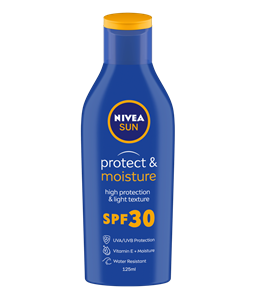
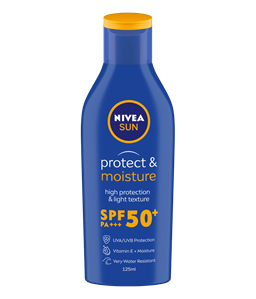
Sunscreen generally lasts 6 to 12 months after opening, but this can vary. Look for the open jar symbol on the packaging to see how long it remains effective once opened. For example, at the back of the NIVEA Protect and Moisture Sun Lotion FPS30, you'll see a '12M' on the open jar symbol.
When you open a new sun cream, try to make a note of the opening date if possible. Sunscreen opened for more than 12 months should not be used.
Using sunscreen within its recommended timeframe is crucial for effective protection against UV rays, helping you prevent sunburn and skin damage.
3 Sunscreen Conservation
and Storage Tips

Skincare ingredients in sunscreen naturally may deteriorate over time, but storing it properly can slow this process. Here are three easy tips to help you maintain its effectiveness:
- Keep it in a dark place:
Store sunscreen in a cabinet or drawer away from direct sunlight, as UV rays can speed up ingredient breakdown.
- Avoid heat exposure:
Store sunscreen in a cool, dry place to prevent the formula from degrading and losing effectiveness.
- Watch out for moisture:
Avoid humid areas like bathrooms, as moisture can cause ingredients to separate or even lead to mould growth, shortening the lifespan of your sunscreen.
Sunscreen
Effectiveness
Sunscreen typically protects your skin for about two hours, varying with SPF level and activity. Reapplying sunscreen immediately after swimming or heavy sweating ensures continued protection. Regular reapplication every two hours is recommended for the best skin safety.
Environmental factors such as water exposure, sweat, and friction from clothing can reduce sunscreen effectiveness over time. Sunscreens with lower SPF levels or too little application may offer less protection, so you might need to reapply more frequently.

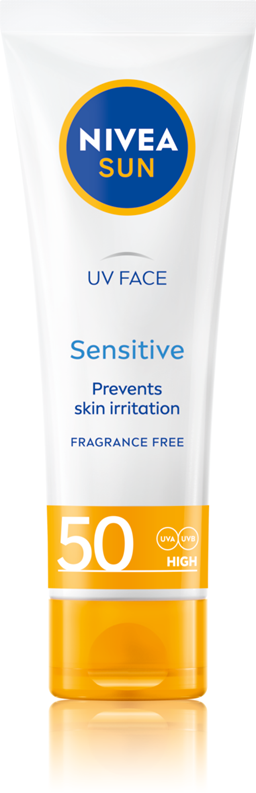
The NIVEA Sun UV Face
Specialist Triple Protect SPF 50+
Enriched with Vitamin E, Hyaluronic acid and Algae Extract, it helps hydrate and moisturise while protecting your skin from environmental stressors. Ideal for daily use, it provides high-performance care without clogging pores, leaving your skin radiant and smooth.
Can You Use
Expired Sunscreen?
No, you shouldn't use expired sunscreen. Using expired sunscreen can significantly reduce your skin's protection against harmful UV rays, and it also increases the risk of infection in the event of contamination, especially in fragile or immunocompromised individuals. The active ingredients degrade over time, making them less effective at blocking or absorbing UV radiation. This can lead to inadequate protection, increased skin damage and a higher risk of sunburn. Always check the expiration date or the period of validity after opening, as the case may be, and replace your sunscreen regularly to ensure optimal skin safety.
Sunscreen
Conservation:
Store in a cool, dry place away from direct sunlight and heat. Close the container tightly after use to prevent air and moisture exposure. Avoid storing it in humid areas like bathrooms.
Application:
Apply generously and evenly to all exposed skin before sun exposure. Reapply every two hours.
Duration:
Typically lasts for about two hours on the skin, with reapplication recommended every two hours or more frequently depending on your activity and exposure.
Expiration:
Check the symbols on the packaging and replace sunscreen if it has expired. Discard sunscreen that has changed in colour, texture, or smell.
Sunscreen
For You

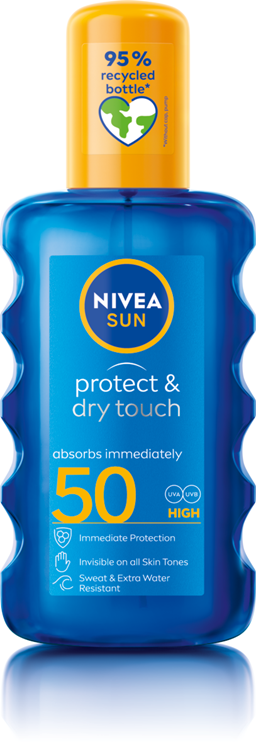
NIVEA Sun Care offers a range of products for effective sun protection, catering to different skin types and needs. NIVEA sunscreens provide broad-spectrum UV defence while nourishing your skin. Regular use helps prevent sunburn, premature ageing, and long-term skin damage.
The NIVEA SUN Protect & Moisture Spray SPF 50+ is formulated with Vitamin E and Glycerin to moisturise and protect the skin.
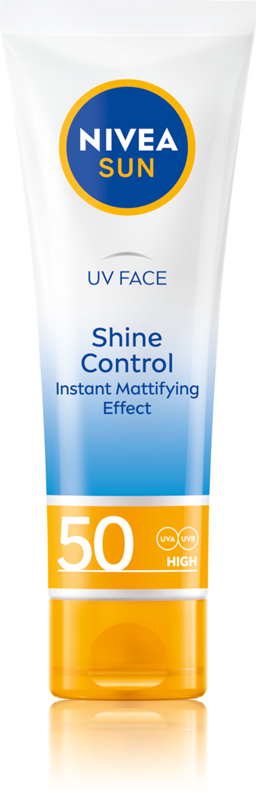
NIVEA's Face Sunscreens offer tailored protection with formulas designed to nourish and defend delicate facial skin. From lightweight, non-greasy options to anti-ageing solutions, each product combines high SPF protection with skin care benefits for a radiant complexion under the sun.
The NIVEA UV Face Anti-Age Q10 Cream SPF 50, formulated with Q10, moisturises the skin and helps to prevent signs of skin ageing such as sun-induced wrinkles, making this sunscreen ideal for mature skin.
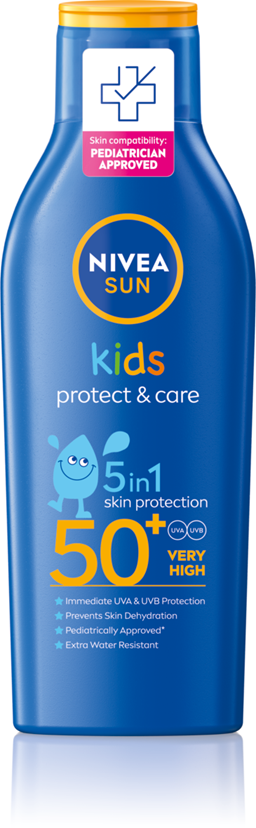
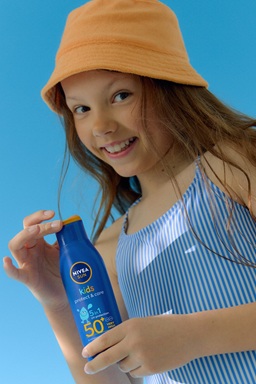
NIVEA Kids Sunscreens offer gentle yet effective protection specially formulated for children's delicate skin. With very high SPF levels and water-resistant formulas, they provide reliable sun protection during outdoor activities. The NIVEA SUN Kids Protect & Care is specifically for children; this sunscreen provides high SPF protection with a formula that's gentle on young, sensitive skin.