Vitamin D
Benefits, Sources & Deficiencies

Your body produces Vitamin D naturally when your skin is exposed to ultraviolet (UVB) rays from sunlight. However, factors such as geographic location, time of year, and skin tone can affect how much Vitamin D your body can synthesise. During periods of limited sun exposure, dietary intake and supplementation may help you maintain healthy Vitamin D levels.
Vitamin D and the sun:
How it Works
Sunlight is one of the easiest and most effective ways to boost your Vitamin D levels, but how much you produce can depend on factors like your skin tone, time of day, location, and the amount of skin exposed.
Although exposure to the sun is beneficial for Vitamin D intake, it can also damage your skin, so it is important to protect it by using sunscreen whenever you are out in the sun, especially during prolonged exposure or during peak UV hours.
6 Vitamin D
Benefits

- Supports Strong Bones and TeethVitamin D helps your body absorb calcium, which is essential for building and maintaining healthy bones and teeth. Without enough of it, your bones can become weaker over time.
- Boosts Immune FunctionVitamin D plays a vital role in helping your immune system work properly, making it easier for your body to fight off everyday bugs like colds and flu.
- Helps Muscles Work EffectivelyYour muscles need Vitamin D to move properly and stay strong. It helps reduce the risk of weakness or tiredness, especially as you get older.
- Contributes to a Balanced MoodVitamin D is linked to mood regulation. Low levels of Vitamin D have been associated with feelings of low energy or sadness, particularly in the winter months.
- Works Well with Other VitaminsVitamin D3 is often paired with Vitamin K2 or other vitamins and minerals in supplements. These combinations can help support your immune system, skin health, and direct calcium to where it's needed most.
- Supports Healthy SkinVitamin D plays a role in keeping your skin healthy, helping it repair itself and maintain its natural barrier against everyday stresses. It supports skin cell growth and renewal, which can improve the overall look and feel of your skin.
Vitamin D
BENEFITS
1. Vitamin D Benefits: Vitamin D benefits include supporting your bones, a healthy immune system, and a balanced mood, playing an important role in your overall health and well-being.
2. Vitamin D & Sun: Your body produces Vitamin D from sun exposure, but factors like skin tone, time outdoors, and the season can affect how much you make.
3. Vitamin D Deficiency: When your sunlight exposure is limited, you may suffer from Vitamin D deficiency. Supplements and certain natural sources from food can help maintain healthy levels.
4. Vitamin D Effects on Skin: Vitamin D promotes skin cell renewal, strengthens your skin barrier, and may soothe dryness or irritation, but sun protection is still essential.


Protect your skin with
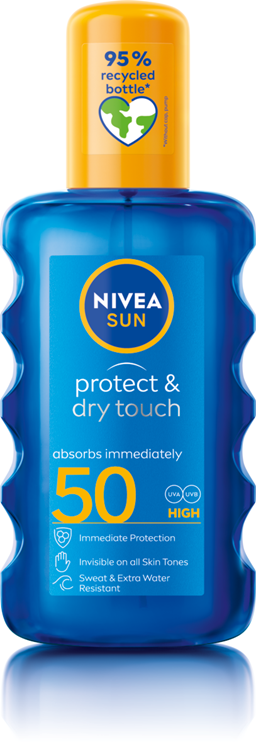
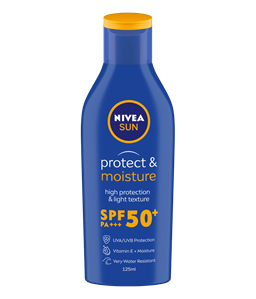
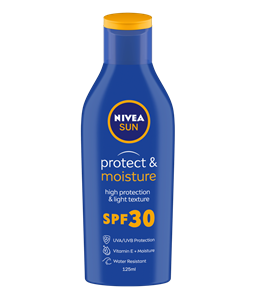
NIVEA Sun

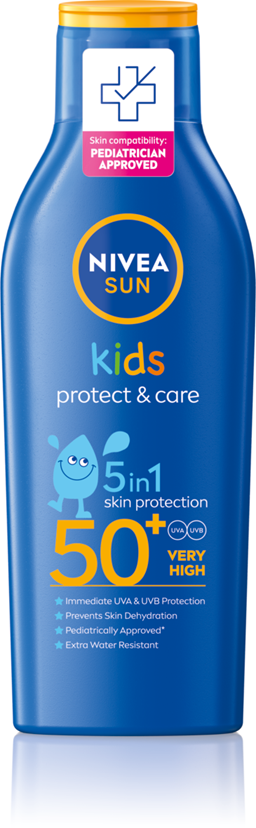
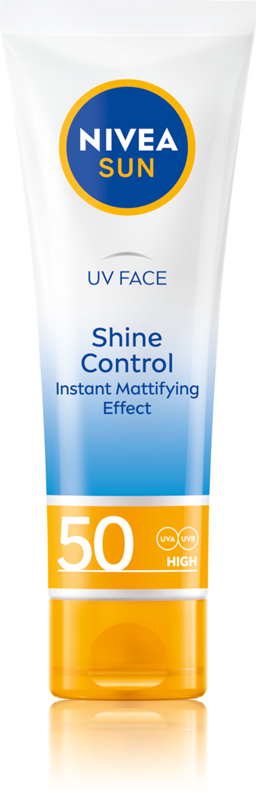
The NIVEA Protect & Hydrate Invisible Finish SPF 50+ sunscreen is an ultra-light fluid cream that provides reliable protection against UVA and UVB rays. In addition to UV filters, this formula helps your skin build a second line of defence and reduces oxidative stress at the cellular level. The non-sticky formula absorbs in seconds, is water-resistant, and leaves no white residue. With Hyaluronic Acid, it deeply moisturises the upper layers of the epidermis for soft, healthy-feeling skin.
Try NIVEA Protect & Hydrate Sun Lotion SPF 50+. It offers immediate high-level protection thanks to broad-spectrum sun filters. Thanks to CitraCell-Protect technology, containing Vitamin C and Hyaluronic Acid, the formula reduces oxidative stress and keeps your skin hydrated for up to 48 hours**, leaving it feeling soft and healthy. While offering water resistance, it absorbs quickly without leaving white marks.

Is there enough Vitamin D in the
Winter Sun?
1. In tablets: Tablets are an ideal choice for adults who can be given a fixed amount of Vitamin D.
2. In drops: They are given mainly to babies and children, because they allow the dose to be adjusted according to weight and are easier to swallow. However, for this latter reason, they are sometimes also used in adults, who can also use drops. These are very often combined with Calcium and thus primarily serve to support proper bone growth.
It is recommended to pair Vitamin D together with Vitamin K2. Vitamin D supports the absorption of Calcium, and Vitamin K2 then "transports" Calcium to the right areas of the body to prevent, for example, calcification of blood vessels.
If you're considering taking Vitamin D supplements, it's best to consult your doctor or a healthcare professional first. They can assess your individual needs and recommend the right method for you.
What are natural sources of
Vitamin D?
- Oily Fish
such as salmon, mackerel, and sardines
- Fortified Foods
such as some plant-based milks, cereals, and spreads
- Red Meat
- Liver
- Mushrooms
- Egg Yolks
However, in cases of deficiency, dietary intake is generally insufficient, and supplements are necessary.
Vitamin D and
other Minerals and Vitamins
- Calcium:Vitamin D helps your body absorb Calcium, which is essential for strong bones and teeth. Without enough Vitamin D, Calcium absorption is less efficient, which can affect bone health.
- Magnesium:This mineral plays a crucial role in activating Vitamin D in your body, supporting its many functions, including bone strength and muscle function.
- Vitamin C:Known for its antioxidant properties, Vitamin C supports skin health by helping to protect against oxidative stress and promoting collagen production, working alongside Vitamin D to maintain radiant skin.
- Iron:Iron is important for the production of red blood cells and the transport of oxygen in your blood. Iron deficiency can cause anaemia and fatigue. It is sometimes used with Vitamin D in cases of general fatigue, but before taking these supplements, it is advisable to determine the cause of the fatigue.
- Vitamin A:Vitamin A is often combined with Vitamin D in supplements for babies. In developed countries, Vitamin A deficiency is rare, and supplements are not usually necessary. Too much Vitamin A can be harmful and can counteract the effects of Vitamin D on bone health.

5 Vitamin D
Deficiency Symptoms


- Feeling Tired or WeakLow Vitamin D can cause fatigue and muscle weakness, making your everyday activities feel more tiring than usual.
- Bone or Joint PainVitamin D helps keep your bones strong, so a deficiency may lead to aches, tenderness, or discomfort in your bones and joints.
- Frequent IllnessesBecause Vitamin D supports your immune system, not having enough can make you more prone to infections like colds or flu.
- Mood ChangesLow levels of Vitamin D have been linked to feelings of sadness or low mood, especially during the darker winter months.
- Slow Wound HealingVitamin D plays a role in skin repair, so a deficiency might cause your cuts or wounds to heal more slowly than normal.
Summary
Vitamin D is essential for your overall health, supporting strong bones, a healthy immune system, muscle function, mood, and skin health. While sunlight is the easiest way for your body to make Vitamin D, during the darker months, there are natural food sources and supplements to help you maintain adequate levels.
Getting enough Vitamin D helps your skin repair and protect itself, but it's vital to balance sun exposure with proper skin protection. It is essential to avoid direct exposure to the sun during the hottest hours of the day and to apply effective sunscreen regularly to protect your skin whenever you are out in the sun.