AHA vs BHA:
The Skincare Acids Explained
What is
AHA and BHA?
AHA and BHA are two types of exfoliating acids that help remove dead skin cells, revealing fresher, brighter-looking skin underneath. While both improve texture and tone, they work in different ways and suit different skin types, so you can pick what really works for your skin.

AHA, short for Alpha Hydroxy Acid, is a group of water-soluble acids often derived from natural sources such as fruits, milk, or sugarcane. AHAs work by gently breaking down the bonds between dead skin cells on the skin's surface, encouraging them to shed and allowing healthier, more radiant-looking skin to emerge. If you're dealing with rough texture, dryness, dullness, or uneven skin tone, AHAs can help improve your complexion by promoting smoother skin and boosting your natural glow. Common types of AHA include Glycolic Acid, known for its deep exfoliation; Lactic Acid, which is hydrating and gentle; and Citric Acid, sometimes used for brightening.

What are the differences between
AHAs and BHAs?
Both AHAs and BHAs help exfoliate the skin and improve texture, but they share several key benefits that make them effective for different skin types. They both:
- Promote the removal of dead skin cells, encouraging a smoother, fresher complexion and enhancing the overall appearance of the skin.
- Assist in minimising the visibility of enlarged pores by clearing out excess oil, dirt, and dead skin cells that can contribute to pore blockages.
- Contribute to the reduction of signs of ageing, such as fine lines and wrinkles, by stimulating cell turnover and promoting Collagen synthesis.
- Support skin tone evening, addressing concerns like discoloration, hyperpigmentation, and dark spots, resulting in a more uniform complexion.
- Enhance overall skin texture, leaving the skin feeling smoother and more refined.
- Promote pore unclogging, which can help prevent blemishes and blackhead formation by addressing the buildup of oil and impurities within the pores.
While AHAs and BHAs both help to exfoliate the skin and improve texture, the main difference lies in how and where they work. AHAs are best known for smoothing the skin's surface, while BHAs go deeper to unclog pores.
- AHAs are ideal for addressing dullness, uneven tone, dryness, and early signs of ageing. They exfoliate the outermost layer of the skin to promote a fresher, more radiant appearance.
- BHAs, such as Salicylic Acid, penetrate into the pores, making them particularly effective for helping to manage oiliness, blackheads, blemishes, and enlarged pores. Together, they offer complementary benefits – and for many skin types, using both (in rotation or as part of a balanced formula) can give you clearer, smoother, and more even-looking skin.
Benefits of
AHA's and BHA's

- Brighter, more even skin toneAHAs promote cell turnover, which can help fade dark spots, sun spots, and post-blemish marks, revealing a more glowing complexion.
- Reduction in fine linesAHAs support Collagen stimulation, helping to improve skin firmness and smooth the appearance of fine lines and creases over time.
- Boosted hydrationSome AHAs, such as Lactic Acid, act as natural ingredients that help attract and retain moisture in the skin for improved softness and hydration, especially in dry or mature skin.
- Improved absorption of skincare productsBy removing the buildup of dead skin cells, AHAs allow your serums and moisturisers to penetrate more deeply and work more effectively.
- Smoother skin texture
By dissolving the bonds between dead skin cells, AHAs gently resurface the skin, helping to reduce rough patches, dryness, and visible flakiness.
- Deep pore cleansingBHAs are oil-soluble and penetrate the pores, helping to remove sebum, debris, and buildup that cause blackheads and blemishes.
- Breakout and blemish preventionThe most used BHA, Salicylic Acid, has antibacterial properties, making it excellent for minimising the risk of bacterial growth and the appearance of blemishes without over-drying your skin.
- Reduced oiliness and shineRegular BHA use helps balance oil production, leaving the skin with a more matte appearance and reducing the need for blotting or reapplying makeup.
- Smaller-looking poresBHAs help clear pores, making them appear smaller and helping minimise congested pores.
- Gentle on sensitive, blemish-prone skinDespite being powerful, when used at the right concentration in a gentle formula, BHAs are generally well-tolerated, offering effective results for oily and blemish-prone skin.

Facts Overview
What are AHAs and BHAs?
AHAs (Alpha Hydroxy Acids) and BHAs (Beta Hydroxy Acids) are chemical exfoliants used in skincare to remove dead skin cells and improve skin texture and clarity.
What are the differences between AHA and BHA?
AHAs are water-soluble and exfoliate the skin's surface; BHAs are oil-soluble and penetrate deeper into pores.
Can AHA be combined with BHA?
Yes, but with care. AHAs and BHAs can be used together in an appropriate formula to target multiple skin concerns. AHAs exfoliate the surface, while BHAs clear pores.
AHA and BHA
Skincare Routine

Start by cleansing with the NIVEA Derma Skin Clear Wash Gel. Formulated with Salicylic Acid (BHA), Sea Salt and Niacinamide, it deeply cleanses, helping to remove excess oil, dirt, and impurities from your skin while clearing the pores to help prevent breakouts and blackheads. Gentle on the skin, it mattifies and refines the texture for clear and smooth skin.
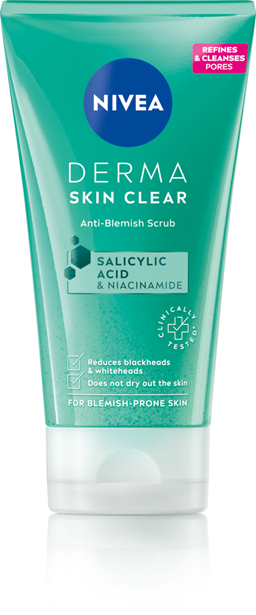
Next, use the NIVEA Derma Skin Clear Scrub, enriched with Salicylic Acid (BHA), Sea Salt and Niacinamide. It supports your skin's natural renewal process, refines pores and reduces blackheads and blemishes without drying out your skin, to provide a clearer skin complexion.
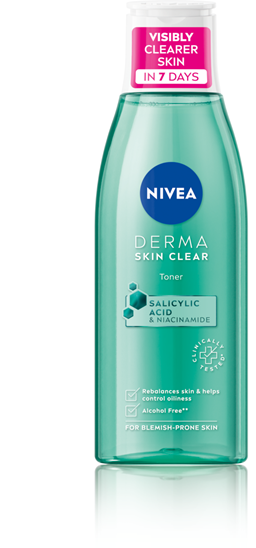
After exfoliating or cleansing, apply the NIVEA Derma Skin Clear Toner, which contains Salicylic Acid (BHA). This refreshing toner helps balance blemish-prone skin and further cleanse the pores. With Salicylic Acid and Niacinamide, this toner helps tighten pores and remove dead skin cells. It also controls excess oil production, which can contribute to breakouts and skin congestion. Regular use of this toner can enhance your skin's clarity, providing a smoother, more even texture.

Discover the
Derma Skin Clear Range
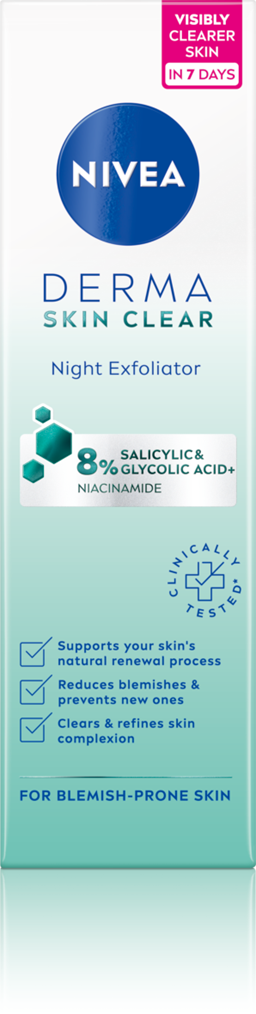
After toning, use the NIVEA Derma Skin Clear Chemical Exfoliator to provide gentle exfoliation with AHA. This product helps refine skin texture and target blemishes, and it's perfect for nightly use. Simply apply it after toning, without rinsing, to ensure smooth, clear skin without over-drying.

Can AHA's
Be Combined with PHA's?

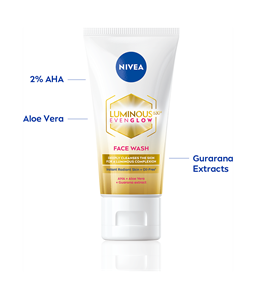
Yes, AHA and PHA can offer enhanced results for many skin types, especially when combined. While AHA works to exfoliate the outermost layers of the skin, PHA provides a gentler exfoliation, making it suitable for more sensitive skin. Together in an appropriate formula, they complement each other by exfoliating the skin while minimising the risk of over-exfoliation or irritation. You can also use AHA and PHA alongside BHA (Salicylic Acid), but it's important to avoid over-exfoliating. If you're considering using all three, choose a dermatologically tested formula combining these three types of exfoliants. It is typically advised to avoid using chemical exfoliators more than once a day. This approach will allow you to target multiple skin concerns, like uneven tone, clogged pores, and blemishes, while minimising the risk of irritation. Try a balanced, gentle formula to exfoliate with AHAs and PHA to remove dead skin cells, unclog pores, and encourage skin renewal for radiant skin. For an effective yet gentle exfoliation, try the NIVEA Luminous630 Skin Glow Liquid Refiner, formulated with 4% AHA, 1% PHA, and Aloe Vera. PHA is a gentler exfoliant than AHA, making it ideal for sensitive skin while providing added hydration. This leave-on peeling formula gently exfoliates to remove dead skin cells for instantly smooth skin and an even complexion in just 7 days*. *Clinical evaluation, 48 volunteers
Exfoliating acids and sun protection:
Why SPF Is Essential
Whether you're using AHAs, BHAs, or a combination of both, it's important to understand how exfoliating acids affect your skin's relationship with the sun. These ingredients work by removing dead skin cells from the surface or clearing out pores, which can temporarily make your skin more sensitive to UV exposure.
- AHAs and BHAs increase photosensitivity, which means your newly exfoliated skin is more prone to sunburn, irritation, and long-term sun damage. Even minimal sun exposure can cause harm if your skin isn't properly protected.
- Without proper sun protection, you risk irritation, redness, and even hyperpigmentation, especially after using exfoliating acids.
- In addition to sunscreen, gradual use of exfoliating acids is essential – starting slowly (2–3 times per week) allows your skin to build tolerance while minimising potential irritation or increased sensitivity, especially if you're just beginning with acids.
- Apply a broad-spectrum sunscreen with at least SPF 30 every morning, even on cloudy or indoor days. UV rays can penetrate clouds and, to some extent, even windows – and consistent SPF use is your best defence.
- Use exfoliating acids in your nighttime routine, especially if you're new to acids or have sensitive skin. This minimises immediate sun exposure after application and allows your skin to recover overnight.
- Make sunscreen a daily habit and non-negotiable when using chemical exfoliants like AHAs or BHAs. Regular SPF use not only protects your skin but also enhances the results of your exfoliating routine.

Summary
Understanding the difference between AHAs and BHAs is the first step toward choosing the right exfoliant for your skin. AHAs work on the surface to smooth texture, brighten tone, and reduce fine lines, making them ideal for dry, dull, or uneven skin. BHAs, on the other hand, go deeper into the pores to target oil, congestion, and blemishes, making them a great fit for oily or blemish-prone skin. Both ingredients offer unique benefits, and when used correctly, they can even be combined for more comprehensive results. Whichever you choose, it's important to start slowly, follow with a moisturiser, and always apply a high SPF to protect your newly exfoliated skin.
FAQs