Can You Tan Through a Window?
Sun Myths Debunked
Can you tan or burn
through windows?
This article will help clear up more common myths around sunburn and tanning so you can better safeguard your skin in different sun-related situations.

In short, yes it is possible. UVA rays, which are responsible for tanning, can penetrate through most windows and so contribute to tanning and skin damage. However, the extent of tanning will usually be less intense compared to direct outdoor exposure. It's important to remember that prolonged exposure to UVA rays, indoors or outdoors, can still harm your skin.
Again, the short answer is yes – although it is quite rare, you can burn through windows in case of prolonged exposure. You might not immediately notice sunburn, as it can often be delayed.
In addition, prolonged exposure to sunlight through glass can lead to other skin issues such as skin damage, premature ageing, and an increased risk of skin cancer. It's important to use protective measures if you spend extended periods near windows, to minimise potential damage from UVA rays.
Yes, you can. The glass used in car windows is designed to filter out UV radiation, however it does a far from perfect job. The front windshield typically blocks most UVA and UVB radiation, while the sunroof and side windows usually let more through – which means you're more likely to tan or burn from above or from the side than head-on.
A 2016 study showed that the car windshield blocks up to 96% of UVA rays vs. only 71% blocked by the driver's side window*. There are also multiple studies that show people who spend a lot of their life driving have an increased risk of UV-induced skin damage.
*Brian S Boxer Wachler, Assessment of Levels of Ultraviolet A Light Protection in Automobile Windshields and Side Windows. JAMA Ophthalmol. 2016 Jul 1;134(7):772-5.
Vitamin D production
following sun exposure behind windows
3 factors that influence
tanning or burning through a window

- The type of glass:
The amount of UV radiation that can penetrate the window pane will depend on the type of glass and glazing. Penetration will be different for single-glazed and double-glazed windows, and for tinted and untinted windows, for example.
• Single glazing:
Allows more UV radiation to penetrate through the glass, increasing the risk of sunburn and skin damage for people sitting near the window.
• Double glazing:
Offers better UV protection by reducing the amount of UV radiation that can penetrate through the glass, providing a safer (but not completely safe) environment for anyone near the window.
• Window tints or films:
Specific tints or films can be applied to windows to reduce the amount of UV rays that can pass through, providing a higher level of protection than standard glass. - Time spent next to a window:The longer you spend sitting in the sun’s gaze, the higher the chances that the sun will impact your skin.
- Skin type:
The quantity and type of melanin your skin produces can affect how sensitive you are to UV exposure.
Can you tan
through clouds?
People at risk of
sun damage through windows
People who spend a significant amount of time driving, such as truck, delivery or taxi drivers, are at an increased risk of sun damage through car windows. They spend long hours on the road with significant sun exposure and are advised to reapply sunscreen regularly because of prolonged sun exposure through windows. Particular attention should be paid to the driver's side forearm and face, as these are usually the most exposed areas.

Children in the back seat should also have sunscreen applied before the journey, especially if they'll be sitting near windows. It is advisable to reapply sunscreen at least every 2 hours on a long car journey.
The NIVEA SUN Babies and Kids Sensitive Protect Spray SPF 50+ is a highly effective, water-resistant sunscreen that is fast-absorbing and fragrance-free. The soothing formula with organic chamomile extract is specially designed for the sensitive skin of children and babies. This spray protects from UVA and UVB rays responsible for sunburn, and helps reduce the risk of skin reactions to the sun.
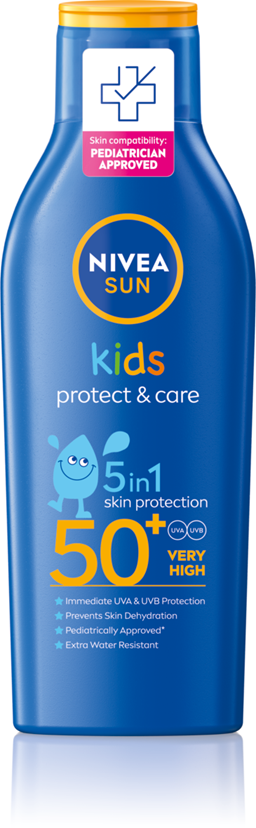
Another sunscreen option is the NIVEA SUN Kids Ultra Protect & Play Lotion SPF 50+ providing long-lasting protection against UV rays while being extra water resistant. The easy-to-apply formula is perfect to use on kids' skin before jumping in the car and heading down to the beach or lake on a sunny day.
Those working from home or in glass buildings can be exposed to significant amounts of sunlight, especially during certain times of the day. If you work near windows, you should apply sunscreen to exposed skin or use window coverings to reduce UV exposure.
Tan Through a Window
Can You Get a Tan Through a Window:
You can still get a tan through a window, as glass doesn't entirely block the sun's rays responsible for tanning.
Factors Influencing Indoor Tanning:
Indoor tanning effectiveness varies based on glass type, exposure time, and skin type.
UV Rays and Their Interaction with Glass:
Both UVA and UVB rays are partially blocked by glass; however, they can still sometimes cause sunburn or a suntan in case of prolonged exposure. Sunscreen should be worn as a protective measure to help prevent skin damage caused by UV rays.
7 sun-myths
debunked
- Myth 1: You can repair the damage done by sunburn with aftersun productsWhile aftersun products can provide relief by moisturising and cooling the skin, it's important to note that they do not reverse the skin damage caused by sunburn.
- Myth 2: The sun is strongest when it's hottestThe intensity of the sun's UV radiation is not solely determined by the temperature. The sun is typically strongest around solar noon, when it is at its highest point in the sky. This doesn't necessarily coincide with the hottest part of the day.
- Myth 3: Tinted windows provide complete UV protectionTinted windows reduce visible light and heat but don't guarantee complete UV protection. Always check tint specifications, as some UV radiation may still penetrate.
- Myth 4: Sunscreen lasts all dayThinking that sunscreen lasts all day is a common misconception that can lead to increased long-term skin damage. Sunscreen is most effective when you apply it consistently throughout the day.
- Myth 5: Sunscreen doesn't expireSunscreens do have an expiration date. You can check your sunscreen for a small open-jar icon on the packaging, with the number of months the product can be used after opening.
- Myth 6: People with darker skin don't get sunburntAll skin types can get sunburnt, including darker skin. People with lighter skin tones will appear red, sore, and swollen. Darker skin tones might not change colour but may feel irritated, tender, itchy, and sore.
- Myth 7: When you have sunburnt once, the damage is doneExperiencing sunburn doesn't automatically mean you will develop skin cancer. The heightened risk comes from the accumulation of unrepaired damage over time. Safeguarding your skin by seeking shade, covering up, and applying sunscreen can minimise your risk as much as possible.
Protecting the Skin
During Sun Exposure:
Protective clothing: clothing is your first line of defence. Hats, sunglasses, and lightweight, long-sleeved clothing can shield you from UV rays.
Timing matters: try to avoid the sun's peak intensity between 10 a.m. and 4 p.m. If you're outdoors, seek shade whenever possible and reapply sunscreen throughout the day.
Body sunscreen: protect your body with sunscreen, especially the parts exposed to the sun often, like your hands and neck.
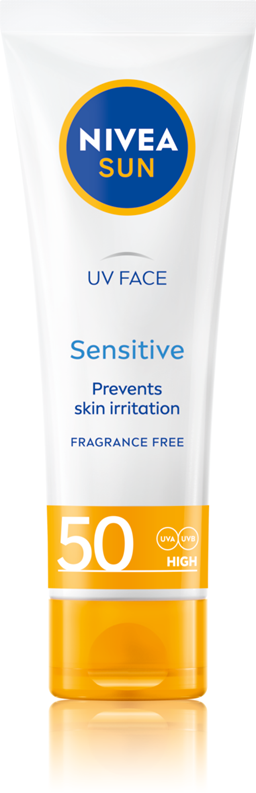
Face sunscreen: apply face sunscreen daily as a proactive measure to safeguard your skin both indoors and outdoors. Discover NIVEA Invisible Daily Fluid SPF 50+, enriched with Licochalcone, a powerful antioxidant, in an ultra-light fluid formula that's non-greasy and leaves no white residue.

Cool the skin:
Take a cool bath or shower to help soothe the skin. Avoid using harsh soaps or scrubbing, as this can cause further irritation.
Apply aftersun:
After cooling the skin, apply a gentle aftersun moisturiser such as NIVEA After Sun Spray to soothe your skin and offer relief after the sun, helping hydrate and calm the signs of skin damaged by the sun. Avoid products containing petroleum jelly or a high proportion of fatty substances, as they can trap heat and make the sunburn worse.
Stay hydrated:
Drink plenty of water to help prevent dehydration, which can worsen the effects of overexposure to the sun. Avoid alcohol and caffeine, as they can further dehydrate the body.
Take pain relievers or anti-inflammatories:
Over-the-counter pain relievers and anti-inflammatories can help relieve pain and reduce inflammation associated with sun exposure. Always follow the instructions on the packaging and consult your doctor as appropriate.
Protect from further sun exposure:
While your skin is healing, it's crucial to protect it from further sun exposure. Stay in the shade, wear protective clothing, and apply sunscreen with a high SPF to any exposed skin when going outside.
Go to the emergency room
In cases of severe overexposure to the sun, go directly to the hospital for professional medical attention.
Protect your skin
from sun exposure with NIVEA SUN
Daily sun protection is essential to shielding your skin from the sun's harmful UV rays. Whether your skin is exposed to sunlight through windows or you're enjoying a day at the beach, using sunscreen helps minimise the impact of sun damage on your skin.
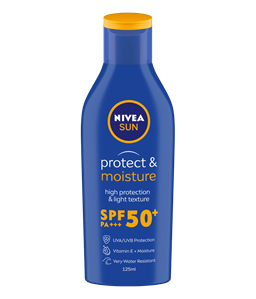
The extensive range of NIVEA SUN care products includes multiple application formats with SPFs up to 50+. From traditional sun cream lotions that nourish and hydrate skin, such as the NIVEA SUN Protect & Moisture Lotion SPF 50+, to face-specific solutions that also help target skin concerns, such as the NIVEA SUN UV Face Specialist Dark Spot Control Fluid SPF50+.
You can also discover NIVEA SUN Daily Protect SPF 50+, enriched with antioxidants such as liquorice extract and vitamin E to help protect the skin, and hyaluronic acid for smooth-looking skin, in an ultra-lightweight formula for normal to combination skin – ideal for daily use.