Skincare for Oily Skin:
Causes, Tips and Routine
7 Causes of
Oily Skin

- Genetics:
Oily skin often runs in families. If your parents or siblings have greasy skin, there’s a good chance you might have it too. Your genes play a big role in deciding how much oil your skin produces.
- Hormones:Hormonal changes can cause your skin to produce more oil. This is especially common during puberty, menstruation and pregnancy. Hormones called androgens increase oil production, which can lead to oily skin.
- Age:Younger people, especially teenagers, tend to have oilier skin because of higher hormone levels. As you age, your skin naturally produces less oil, which is why older adults often have drier skin.
- Climate:Hot and humid climates can make your skin produce more oil. Even in cooler weather, indoor heating can dry out your skin, causing it to overproduce oil to make up for the dryness.
- Diet:Diets high in sugar, dairy, saturated fats and refined carbohydrates can increase oil production.
- Skincare Habits:Using harsh cleansers or scrubbing your face too hard can strip your skin of its natural oils, pushing it to produce even more oil to compensate. It’s important to use gentle, non-oily products that are designed for oily skin.
- Stress:Stress can trigger your body to produce more hormones like cortisol, which can increase oil production.
5 Ways to recognise
Oily Skin
- Midday Shine:If your face tends to become shiny and greasy by midday, especially in the T-zone, you likely have oily skin.
- Frequent Breakouts:Regular breakouts with blemishes, blackheads or whiteheads may suggest that your skin is prone to oiliness.
- Visible Pores:Large, noticeable pores, particularly around the nose and cheeks, often go hand in hand with oilier skin types.
- Blotting Paper Test:Press a blotting paper against different areas of your face. If it picks up a lot of oil from most areas, your skin is most likely oily.
- Skin Texture:A thicker, coarser texture, rather than a smooth feel, is often associated with oily skin.
6 Tips to reduce
Oily Skin

- Use non-oily and light products:Use oil-free, mattifying products, and choose lightweight, non-comedogenic moisturisers to control oil and still keep your skin hydrated.
- Blot excess oil:Keep blotting papers handy to gently absorb excess oil throughout the day.
- Diet:Eating a balanced diet with plenty of fruits, vegetables and whole grains can help keep your skin in check.
- Stress management:Managing stress through activities like exercise, meditation or your favourite hobbies can help reduce oily skin.
- Stay Hydrated:Drink enough water throughout the day to help maintain your skin’s hydration and balance.
- Avoid touching your face:If you have a greasy face, touching it frequently can transfer oils and bacteria, leading to clogged pores and even infections and pimple outbreaks.
Oily Skin
Causes: Genetics, hormones, age, climate, diet, stress and skincare habits.
Recognition: Shiny T-zone by midday, frequent breakouts, visible pores and a greasy feel.
Skincare Routine: Cleanse gently twice daily, moisturise with lightweight, non-comedogenic products, exfoliate regularly and always use SPF 30+ sunscreen.
5 Skincare ingredients for
Greasy Skin:
- Hyaluronic acid:
Can boost hydration without making your skin oily.
- Glycolic acid:
Helps exfoliate the skin by removing dead skin cells and excess oil, promoting a clearer, smoother complexion.
- Niacinamide:May help control oil production and reduce inflammation.
- Salicylic acid:Can help keep pores clear and prevent blemishes.
- Aloe vera:
Soothes and hydrates the skin naturally.
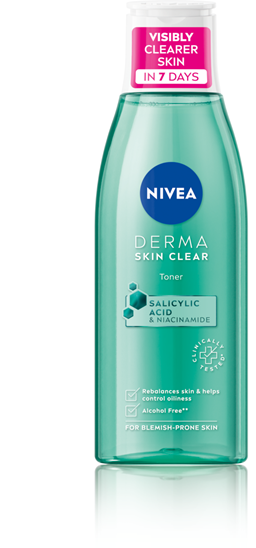
Introducing ingredients such as Salicylic Acid and Niacinamide into your skincare routine can also help if you have oily, blemish-prone skin. They complement each other: Salicylic Acid penetrates deep into the skin's pores to clear excess oil and dead skin cells, while Niacinamide helps soothe skin and makes it look more radiant. These two ingredients work together to make your skin clearer and more glowing.
Skincare routine for
Oily Skin
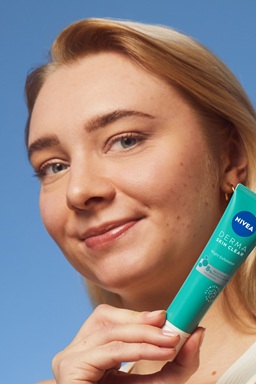
Choose a gentle cleanser and wash your face twice daily to effectively remove excess oil and impurities. The NIVEA Derma Skin Clear Wash Gel deeply cleanses and helps clear out pores while also removing excess grease.

This helps remove dead cells by breaking the bonds that hold them together, unblocking pores and supporting your skin's natural renewal process. For the evening routine, opt for the NIVEA Derma Skin Clear Night Exfoliator and leave it on overnight. Enriched with Salicylic Acid, Glycolic Acid and Niacinamide, it helps clear your skin complexion in just 7 days*. Although it's intended for daily use, some people may be more sensitive to chemical exfoliation. If that’s you, feel free to space out applications, especially at the start of treatment.
*Consumer test, 97 volunteers
Your skin’s reaction to being dried out by the sun is to produce more sebum, which can lead to clogged pores. On top of that, the alpha-hydroxy acids in exfoliating skincare products can increase your skin's sensitivity to the sun. So it’s essential to apply a broad-spectrum sunscreen with an SPF of 30 or higher every morning and to reapply it regularly during the day. The NIVEA Sun UV Face Specialist Derma Skin Clear SPF 50+ helps absorb excess oil from the skin's surface while protecting against UVA/UVB-induced skin damage.
Is there a difference between
oily skin in men and women?
When shaving, it’s also important to use a sharp razor and choose a shaving cream and after-shave care suited to your skin type, and to keep beards clean with regular washing and conditioning.
NIVEA Derma Skin Clear helps to
Regulate Excess Oil
Summary
FAQs