What Does
Retinol Do?
What is
Retinol?
Retinol is a form of vitamin A that’s widely used in skincare to help with acne and anti-ageing effects. Using Retinol is becoming more and more popular as people are drawn to the amazing skin results it can offer.
It’s best to introduce Retinol into your routine slowly and steadily, but even then, it isn’t right for everyone’s skin.
Here, we take a look at how Retinol works, how you can use it, what it does to your skin and which alternatives you could try instead.

Retinoids are chemical compounds and derivatives of vitamin A. It’s a broad term that covers over-the-counter Retinol (such as the ones used in many skincare products).
Retinoids are stronger and more concentrated than Retinol and, as a result, turn over skin cells at a faster rate. Retinoids are most often used in medicine to regulate epithelial cell growth.
Until your 30s, your body produces fresh skin cells roughly every 28 days. But as you reach your mid-30s, the skin cells’ regeneration slows down over time, until the cells only replace themselves every 50, 60, or even 70 days. With older cells lingering for longer, your skin can start to look dry, dull and dehydrated.
Retinol stimulates cellular turnover in the skin, increasing the production of Collagen and Elastin, leaving your skin feeling soft and smooth.
What are the benefits of
Retinol For The Face?
Retinol skincare offers a number of benefits, including:
- Reduces acne:Acne is something a lot of people struggle with, whether it’s a whole bunch of spots or that one stubborn pimple that keeps popping back up. What causes this are oils and dead skin cells that block your pores. Retinol helps by preventing that build-up from happening in the first place.
- Brightens the skin:You could have dark spots for several reasons, but the most common one is sun exposure. UV rays from the sun speed up the production of melanin in your skin, which results in dark spots appearing. Although it might take a while, using Retinol is said to help lighten up those spots over time.
- Fades wrinkles:As you age, the natural oils, Elastin and Collagen that your skin generates start to decline, which leads to the appearance of fine lines and wrinkles. Retinol can help slow down that process, helping your skin keep that plump, youthful look for longer.
- Minimises large pores:Pores are like tiny doorways on the surface of your skin and are important because they help your skin stay healthy and moisturised by letting out a bit of oil. When they become clogged with dead skin cells and oil, they look larger and more noticeable. To help unclog them and shed those skin cells faster, you can use Retinol.
Retinol
For Men
Retinol can benefit both women and men – besides the many skin benefits it has, it can also help support the skin under your beard.
Keeping your beard looking its best doesn’t just happen by shaping, trimming and washing the hairs – the skin underneath is equally important. Ingrown hairs and hyperpigmentation are all signs that can occur if the skin under your beard isn’t properly cared for. With Retinol’s exfoliating properties and its ability to restrain excess melanin, it can help promote a brighter and smoother complexion under your beard too.
NIVEA MEN Anti-age Hyaluron Face Moisturising Cream SPF 15 with Hyaluronic Acid, Pro-Retinol and SPF15 is designed as a men’s face care product for healthy and younger-looking skin.
Its instantly-absorbing, non-sticky formula visibly reduces wrinkles and effectively firms the skin whilst providing deep moisture and strengthening the skin’s elasticity. SPF 15 helps to prevent sun-induced wrinkle formation, for a healthy and younger look.

Our experts explain:
"Pro-Retinol, a form of Vitamin A, accelerates cell renewal and stimulates Collagen production. This helps reduce the appearance of wrinkles and improves skin firmness."
Julia Nemnich and Merle Tobiaßen, Lab Managers, Formula Development, NIVEA MEN.
Retinol
Advantage: Enhances overall skin texture, reduces the appearance of wrinkles and acne, and increases Collagen production.
Application: Treatment of symptoms such as acne and fine lines and wrinkles.
How to use: Start off using products that contain Retinol up to twice a week, then gradually increase as your skin becomes more comfortable with it.
Features: Retinol is an active form of vitamin A that your body can use directly, which means it shouldn’t be used during pregnancy as it could be harmful to the developing foetus. A safer alternative you can use instead is Bakuchiol, which offers similar anti-ageing benefits to Retinol.
How to use
Retinol?
- Start by using a Retinol product one to two times a week before working up to nightly use
- Apply it only at night and use sunscreen in the day, as Retinol can make your skin more sensitive to the sun
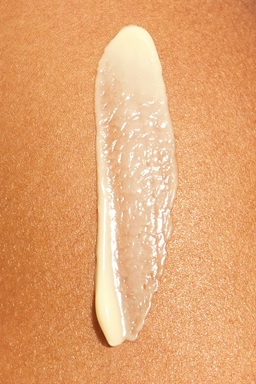
- Use no more than a pea-sized amount
- Use a hydrating serum before you apply a product containing Retinol
- Apply a moisturiser to your skin after you apply your Retinol product
- Avoid using exfoliating acids such as AHA or BHA before or after a Retinol product as this can irritate your skin
Retinol comes in several concentrations and you don’t need to opt for full strength to enjoy the anti-ageing benefits – studies have shown low-strength Retinol can give results as good as stronger concentrations, so you don’t need to continually scale up.
How often should you use
Retinol?

When you first start using Retinol, you may want to go slow as it can irritate your skin. This happens because Retinol gets rid of skin cells faster, making new skin cells come to the surface before they’re fully ready. Start off by using it once or twice a week to give your skin a chance to get used to it. If your skin seems to be tolerating it well, you can gradually use it more often. It’s not uncommon for Retinol beginners to experience excess dryness and some irritation at first and, if it’s not painful, experts recommend pushing through this stage. Using hydrating serums and calming moisturisers as part of your skincare routine will help soothe irritated skin.
Introducing Retinol into your routine does require patience. Don’t expect results overnight; it can take two to three months of consistent use to notice brighter, firmer-feeling skin.
If you’re looking for a vegan-friendly or pregnancy-safe solution to gain the anti-ageing benefits of Retinol, opt for products containing Bakuchiol.
NIVEA Cellular Expert Lift range containing Pure Bakuchiol offers a great alternative to Retinol by plumping, smoothing and hydrating the skin, with SPF30 protection.
Can you use
Hyaluronic Acid and Retinol Together?
Yes! You can absolutely use Hyaluronic Acid and Retinol together in your skincare routine. While Retinol promotes skin renewal and reduces the signs of ageing, Hyaluronic Acid keeps your skin hydrated and plump, preventing dryness. Hyaluronic Acid’s soothing properties can also reduce the risk of irritation from Retinol.
There are products available that combine both Hyaluronic Acid and Retinol, which makes using them together easy and convenient. However, you can also use them separately. Here’s how you would generally do that:
- Step 1: Hyaluronic Acid
Start with a Hyaluronic Acid serum, such as the NIVEA Cellular Expert Filler Replumping Hyaluronic Acid Serum. Apply a small amount to your clean, dry face in the morning and evening. Gently pat it in and allow some time for it to penetrate your skin. This lightweight yet powerful serum can help plump up your skin, reduce the appearance of fine lines, and give you a radiant, more youthful-looking complexion with consistent use. - Step 2: Retinol
After the Hyaluronic Acid serum has been absorbed, apply a small amount of Retinol and gently rub it in. This step helps promote skin cell turnover, fading wrinkles and reducing blemishes.
Whether you opt for a product that combines the two ingredients or use them separately, the goal is to keep your skin hydrated and happy while enjoying the skin-renewing benefits of Retinol.
Retinol in a nutshell
Retinol is a powerful skincare ingredient used to address various skin concerns. However, if you don’t use it properly, it can result in sensitivity and dryness. Its benefits include:
- Reducing the appearance of fine lines and wrinkles
- Improving overall skin texture
- Helping you get a brighter and healthier-looking skin complexion
- Unclogging pores